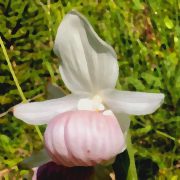
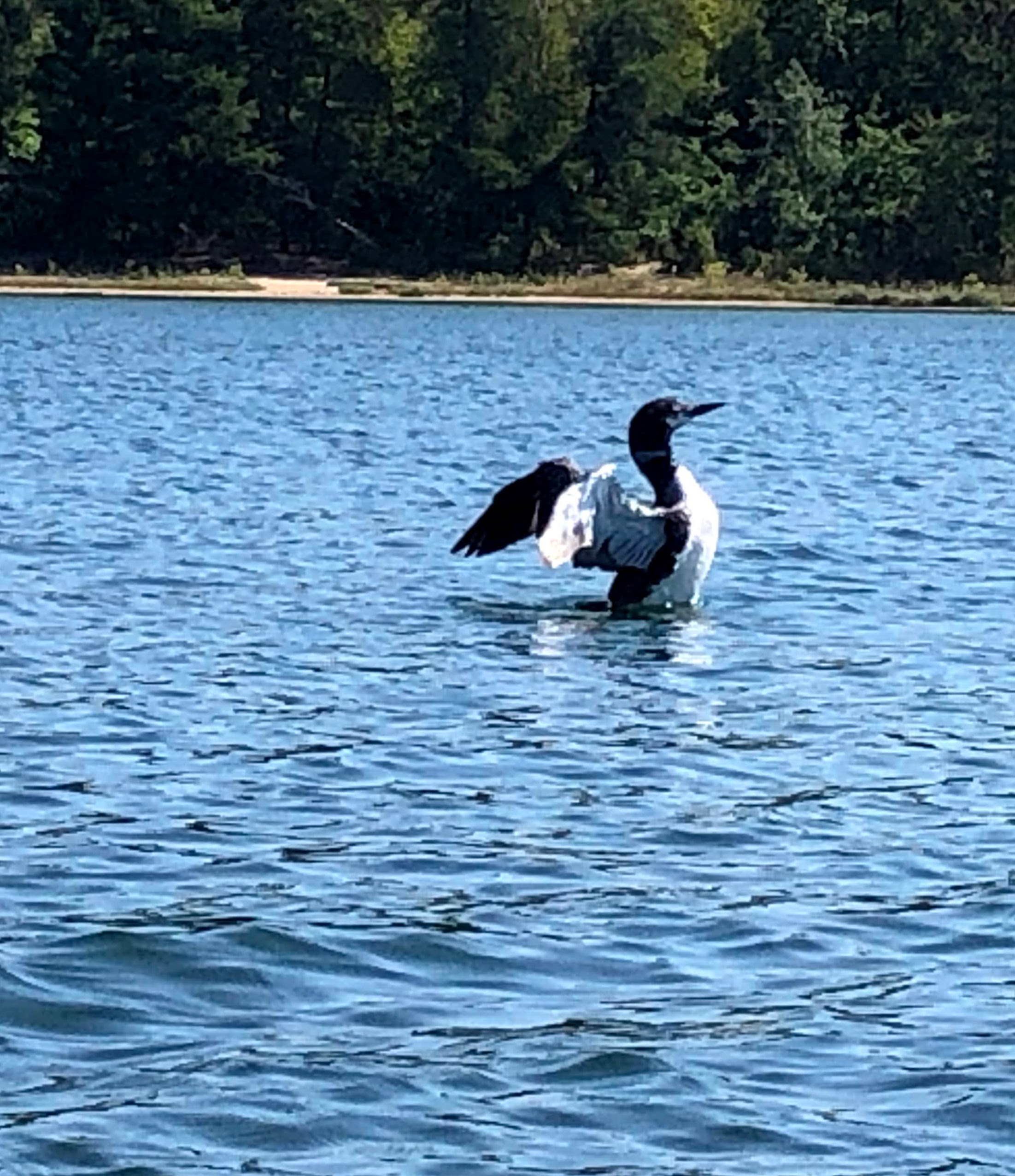
In fall the scenery on and around our lake in north-central Minnesota is wonderful. This post simply shares images taken this October.


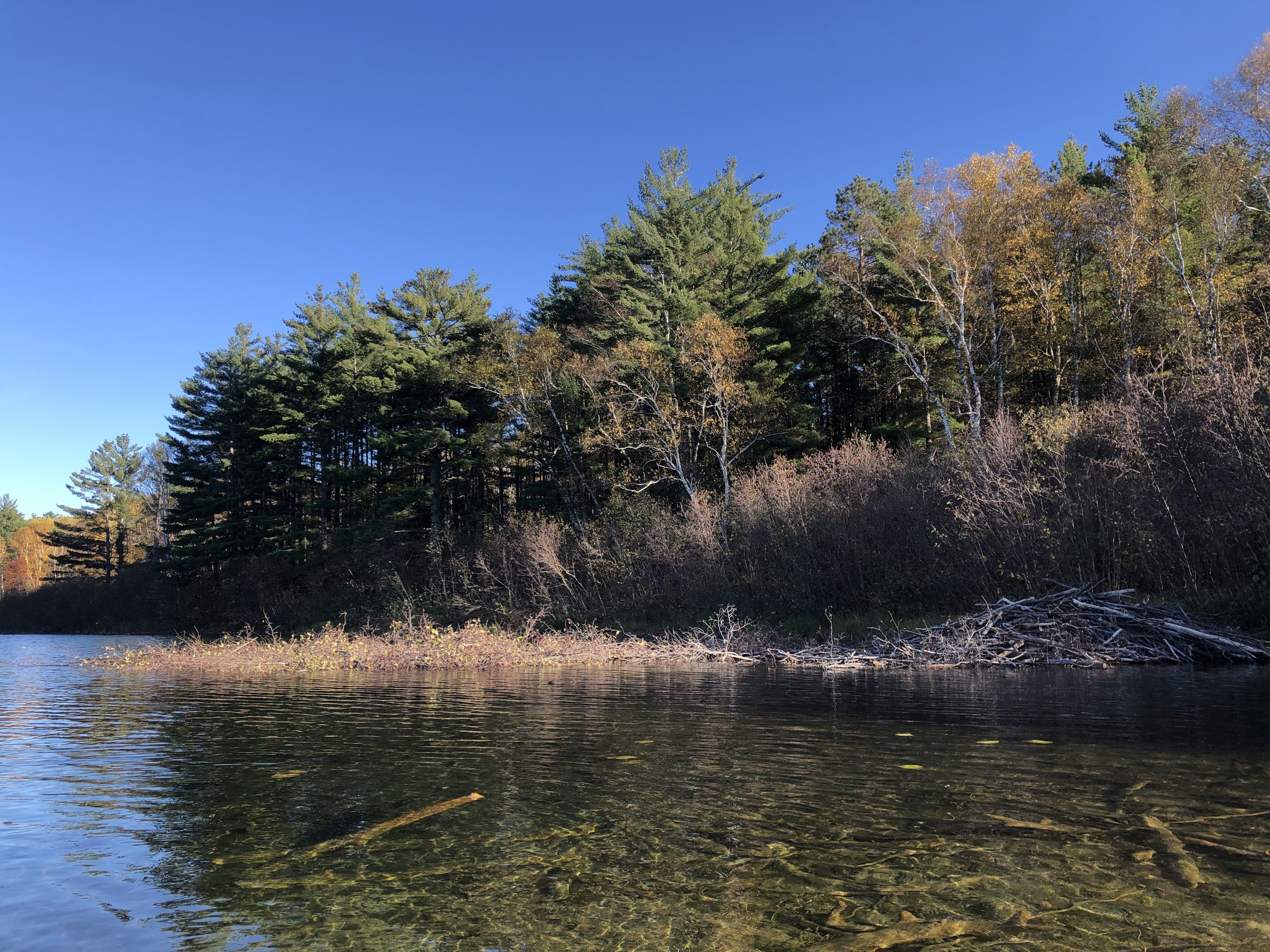


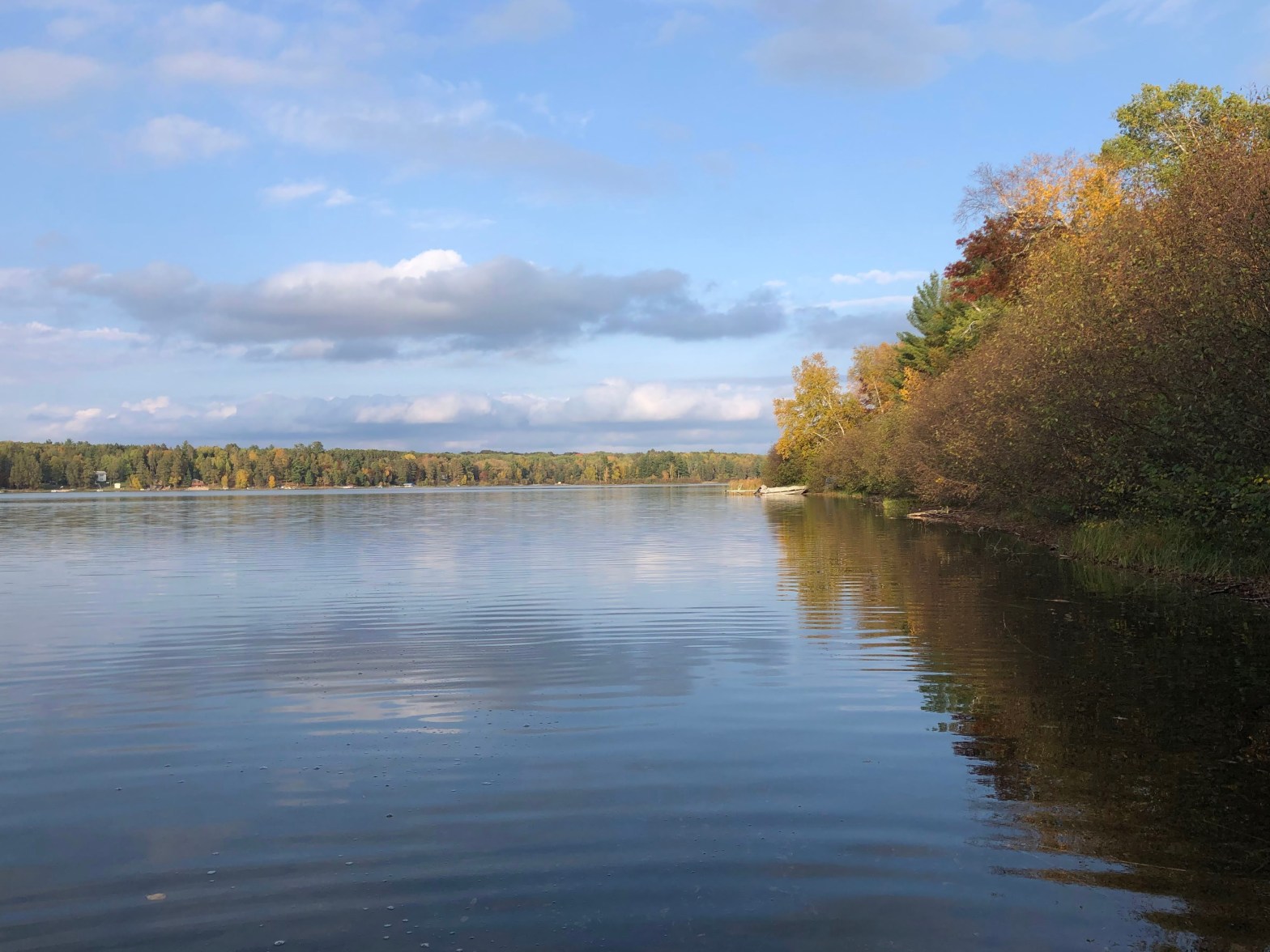
In fall the scenery on and around our lake in north-central Minnesota is wonderful. This post simply shares images taken this October.

The shaggy inkcap mushroom (Coprinus comatus) is a common mushroom that is also known as lawyer’s wig or shaggy mane. Reportedly is is an excellent mushroom to eat when young, but only immediately after picking. It turns black and dissolves into an inky mess soon after it is picked (which is why it is called inkcap).
The pictures below show a lone inkcap alongside a local road and a group of them seen in Minnesota’s Itasca State Park.

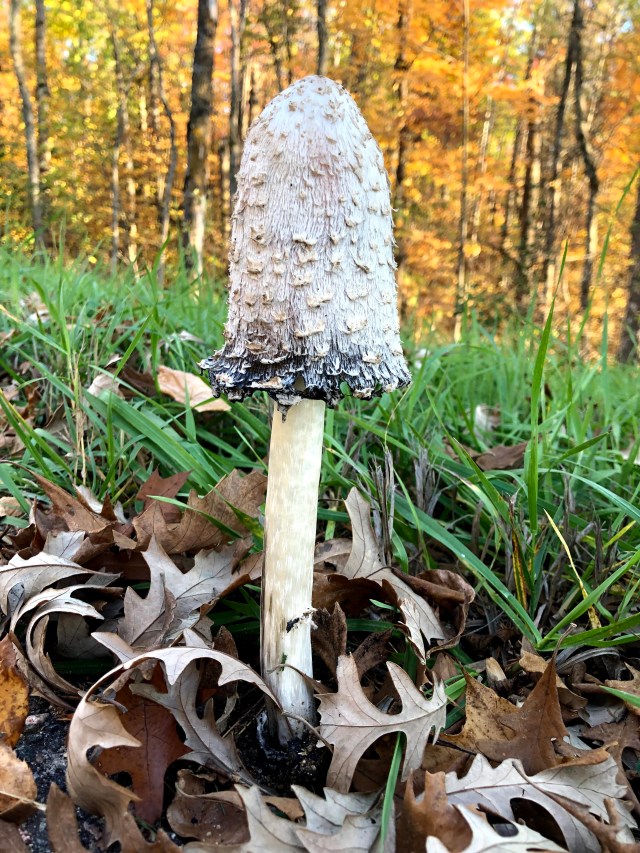
An excellent specimen of shaggy inkcap along a roadside

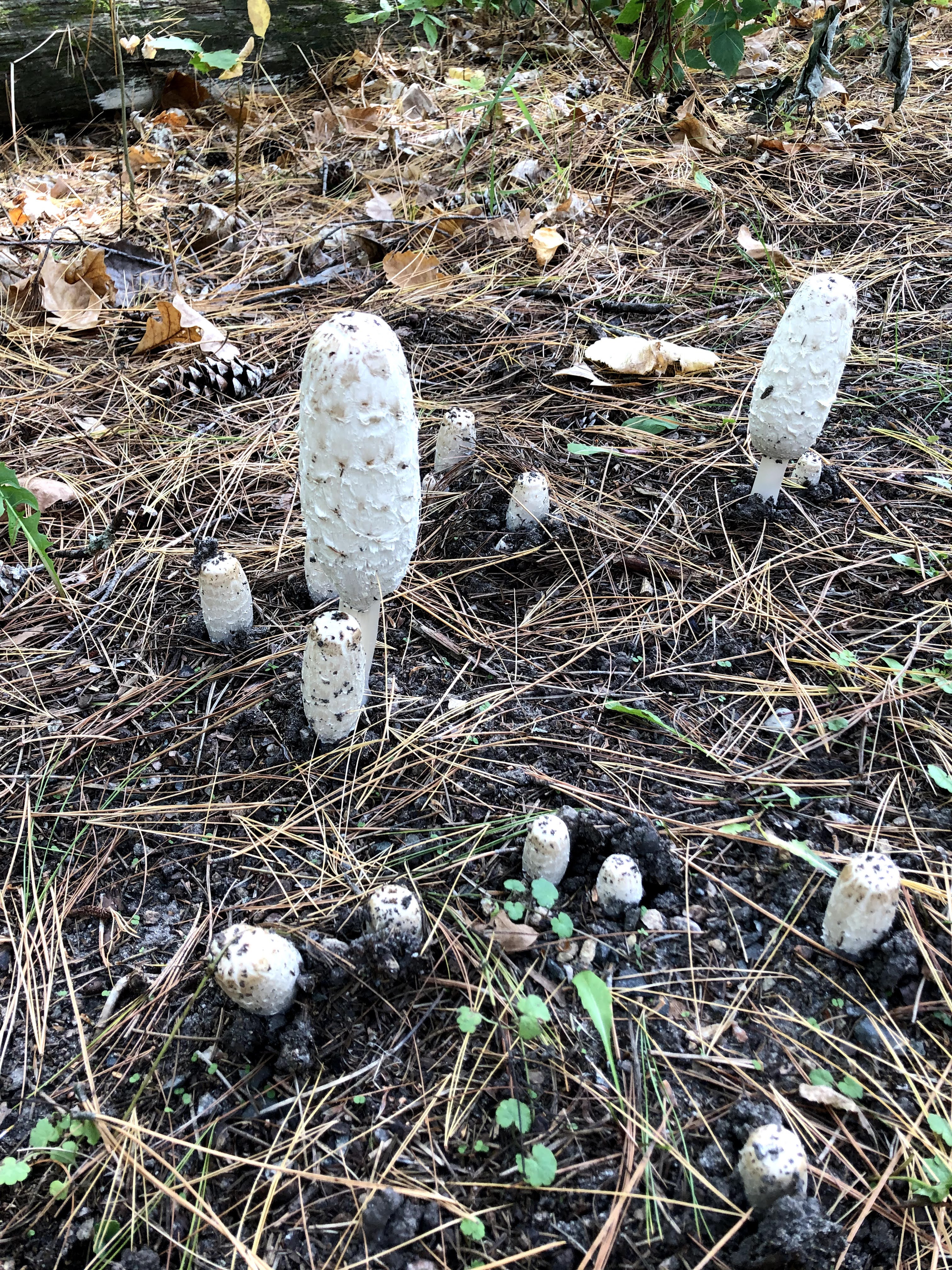


A group of shaggy inkcaps found in Itasca State Park

The Amanita muscaria mushroom, commonly known as Fly Agaric, is commonly seen in popular culture. It appears as garden sculptures, in video games, in the Disney movie Fantasia, and in Smurf cartoons. We found beautiful specimens of it recently as we hiked through a forest in the north-central Minnesota lake country.


Fly agaric is toxic, but is rarely fatal, and is also mildly hallucinogenic. Its Wikipedia article lists many fascinating details about use of this mushroom throughout history. One interesting item is that eating it can cause dysmetropsia, otherwise known as Alice in Wonderland syndrome. This is a type of hallucination that distorts perceptions of objects, making them seem either larger or smaller than they actually are. Another remarkable suggestion is that the legend of flying reindeer is associated with Finnish shamans under the influence of this mushroom.
Many various mushrooms have appeared here in the fall, they are most prevalent after a rain. Most mushrooms are not as distinctive as Fly Agaric and are not straight-forward to identify. So, I’m not completely certain about the names I’ve assigned to the mushrooms below.
The group of images below show mushrooms found on the forest floor.


Other mushroom were seen growing on wood.


Minnesota’s Itasca State Park is best known for the headwaters of the Mississippi River, which is within the park. Established in 1891 it is the second-oldest state park in the US, only Niagara Falls State Park is older.
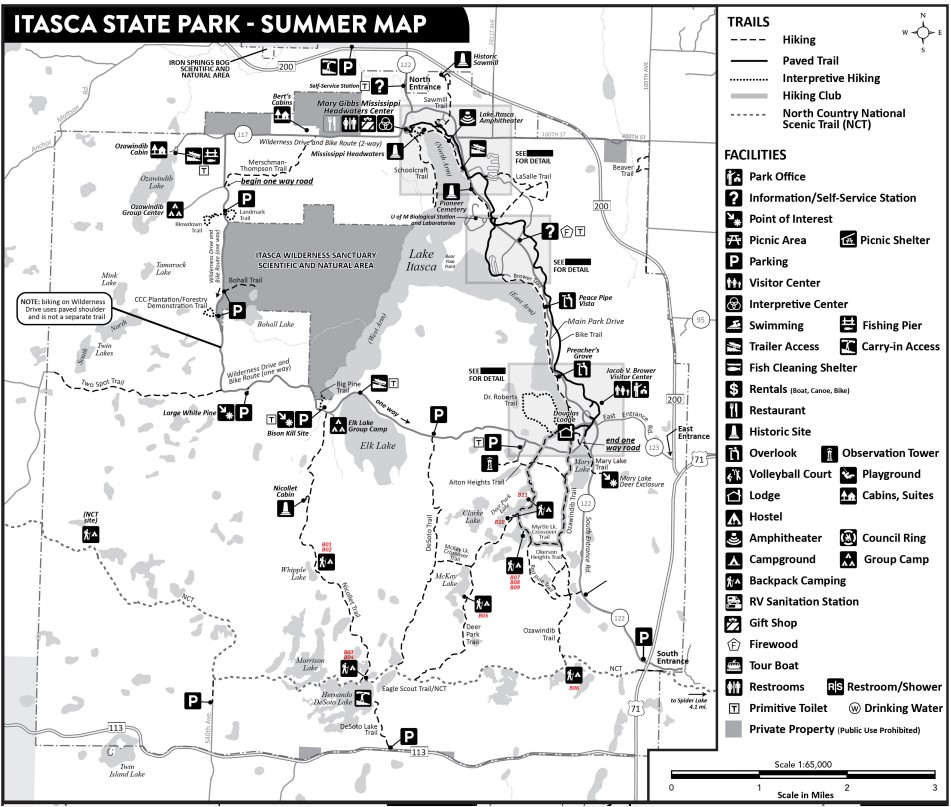
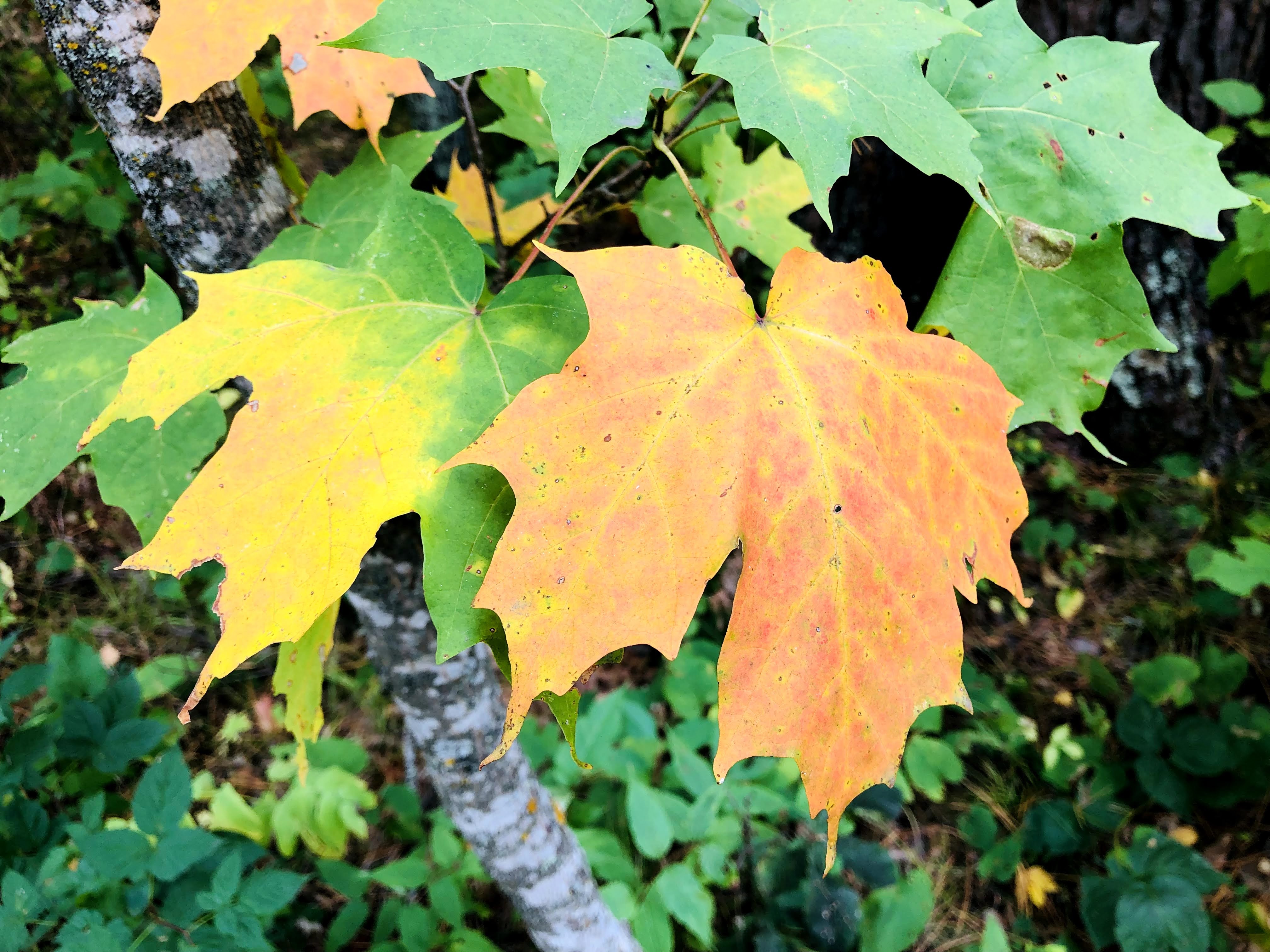
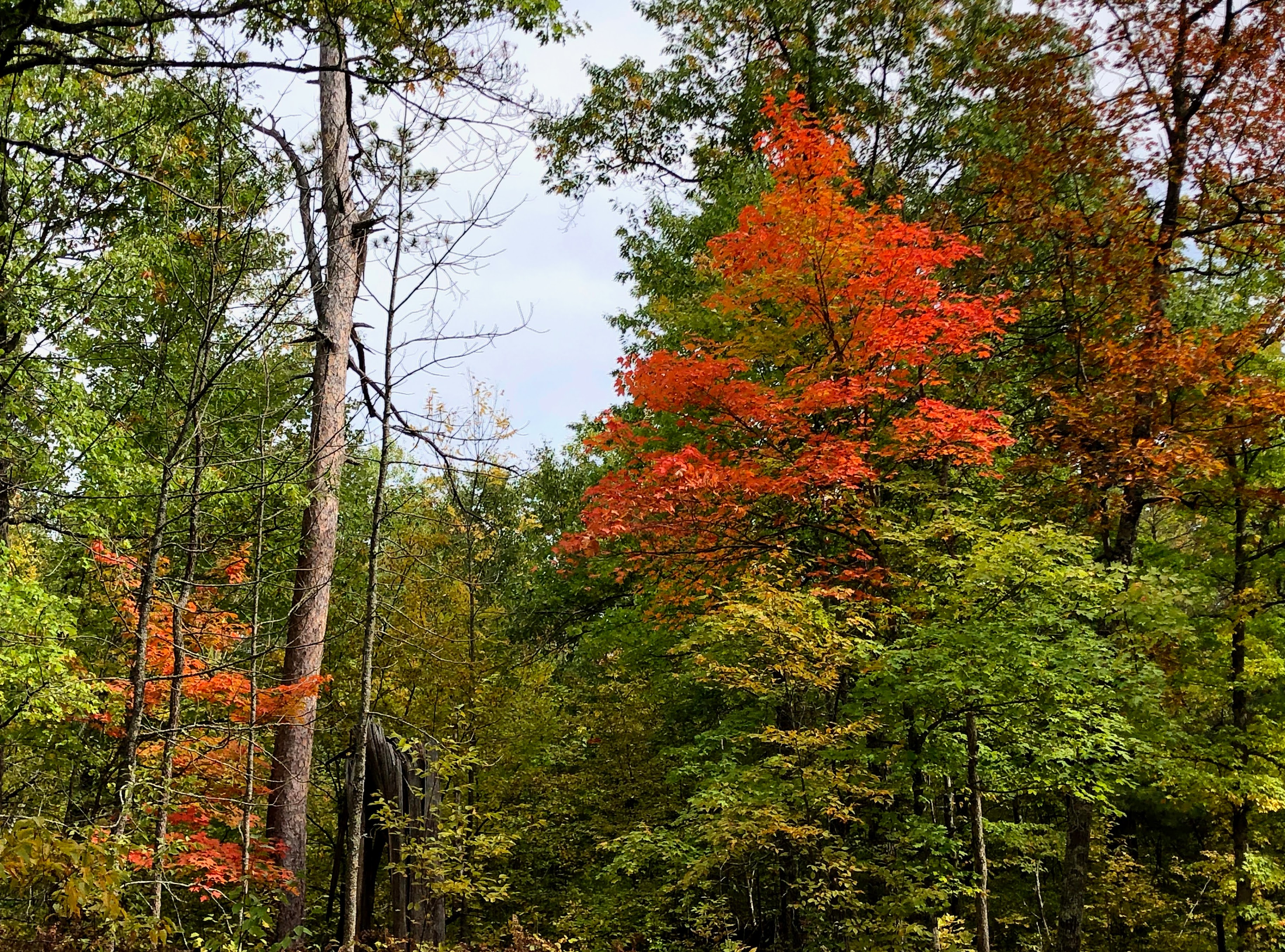
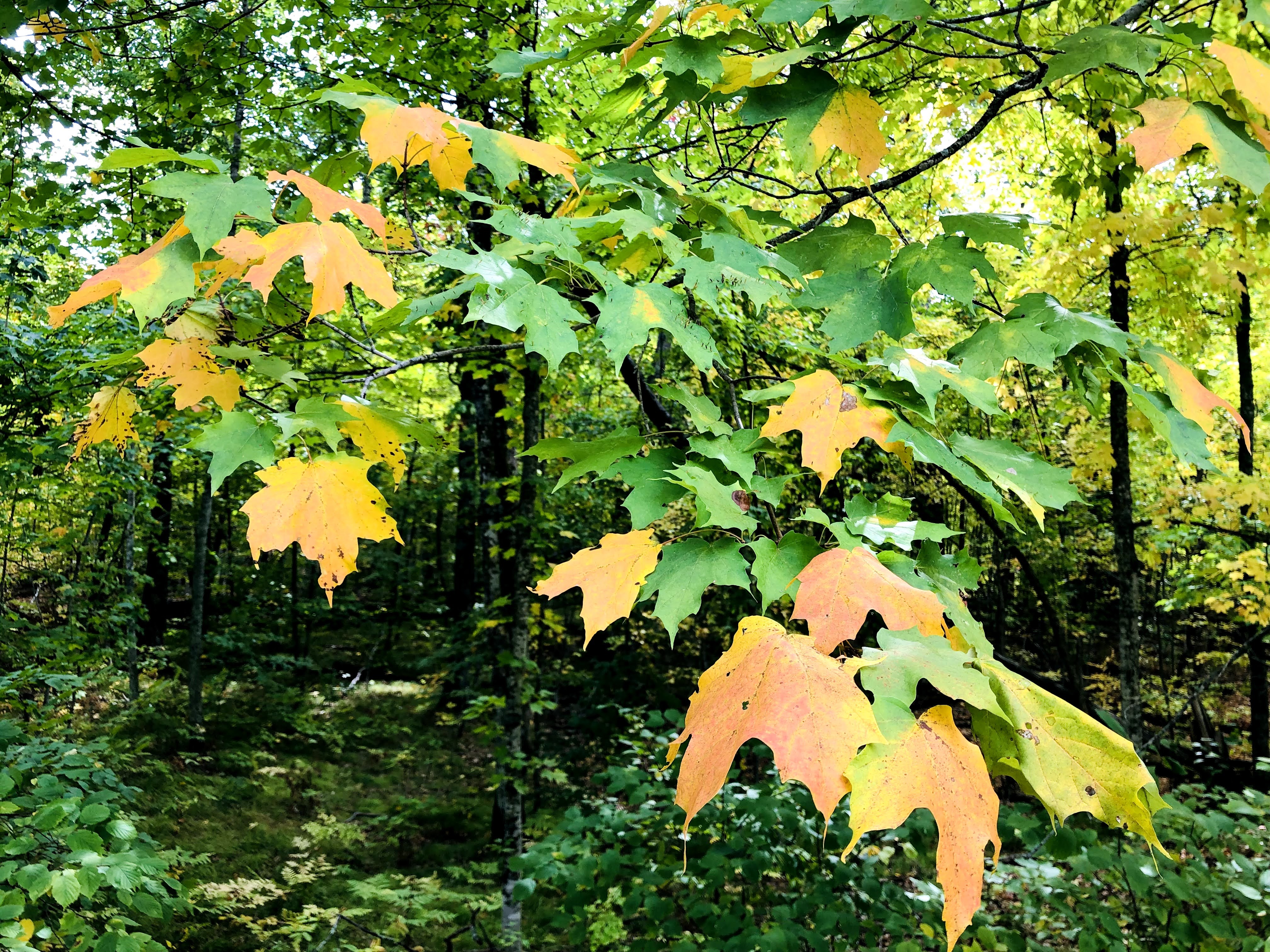
Although it is not yet officially fall, the changing leaves on maple trees in the park were gorgeous on our visit there yesterday, September 19th. We rode our bikes on the 5-mile trail that goes along the eastern shore of Lake Itasca from the Brower Visitor Center to the Mississippi Headwaters, as is shown on the map below. We saw beautiful maple trees mostly along the southern half of this route, oak and aspen trees with leaves turning yellow were seen throughout.







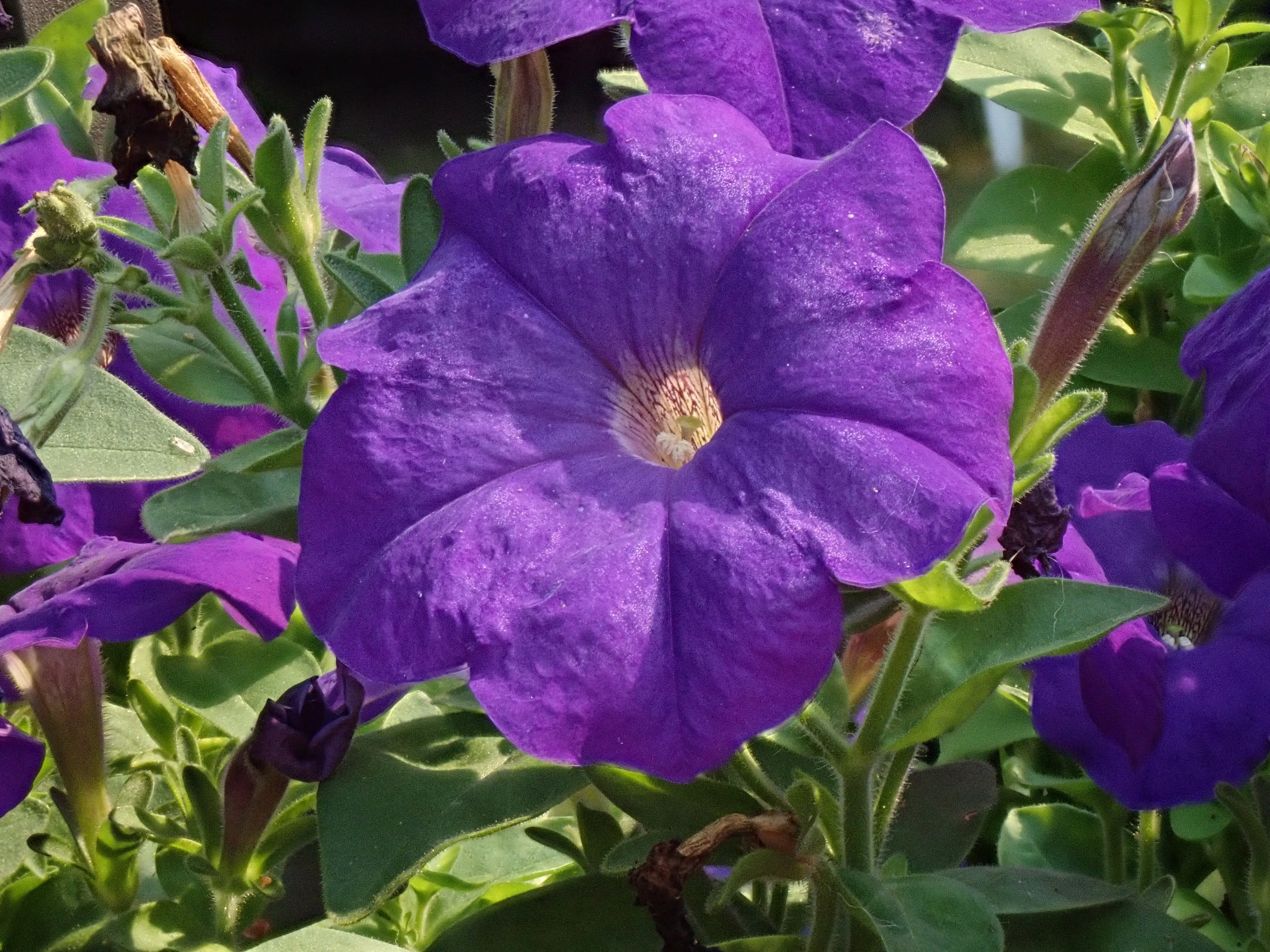
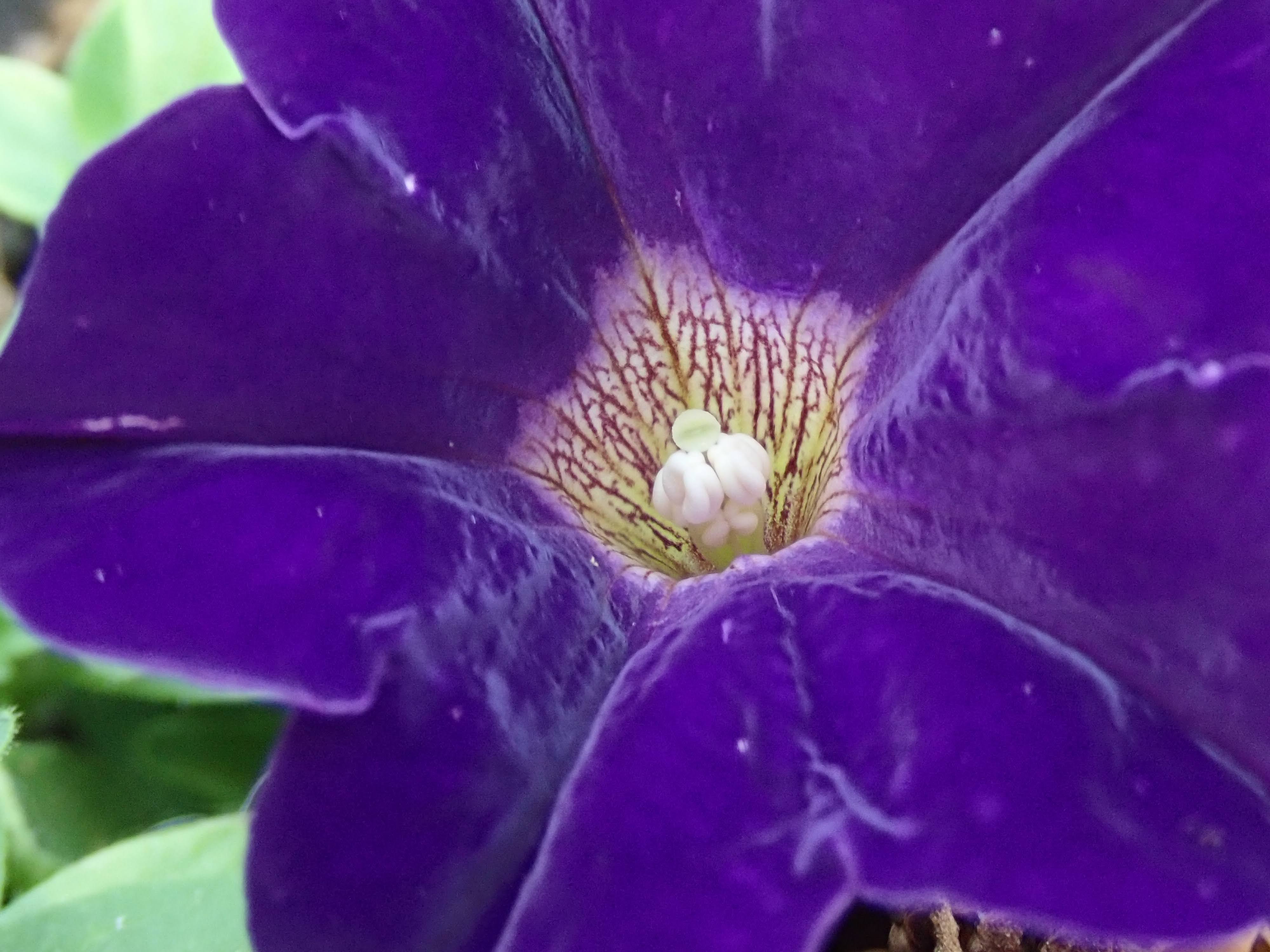
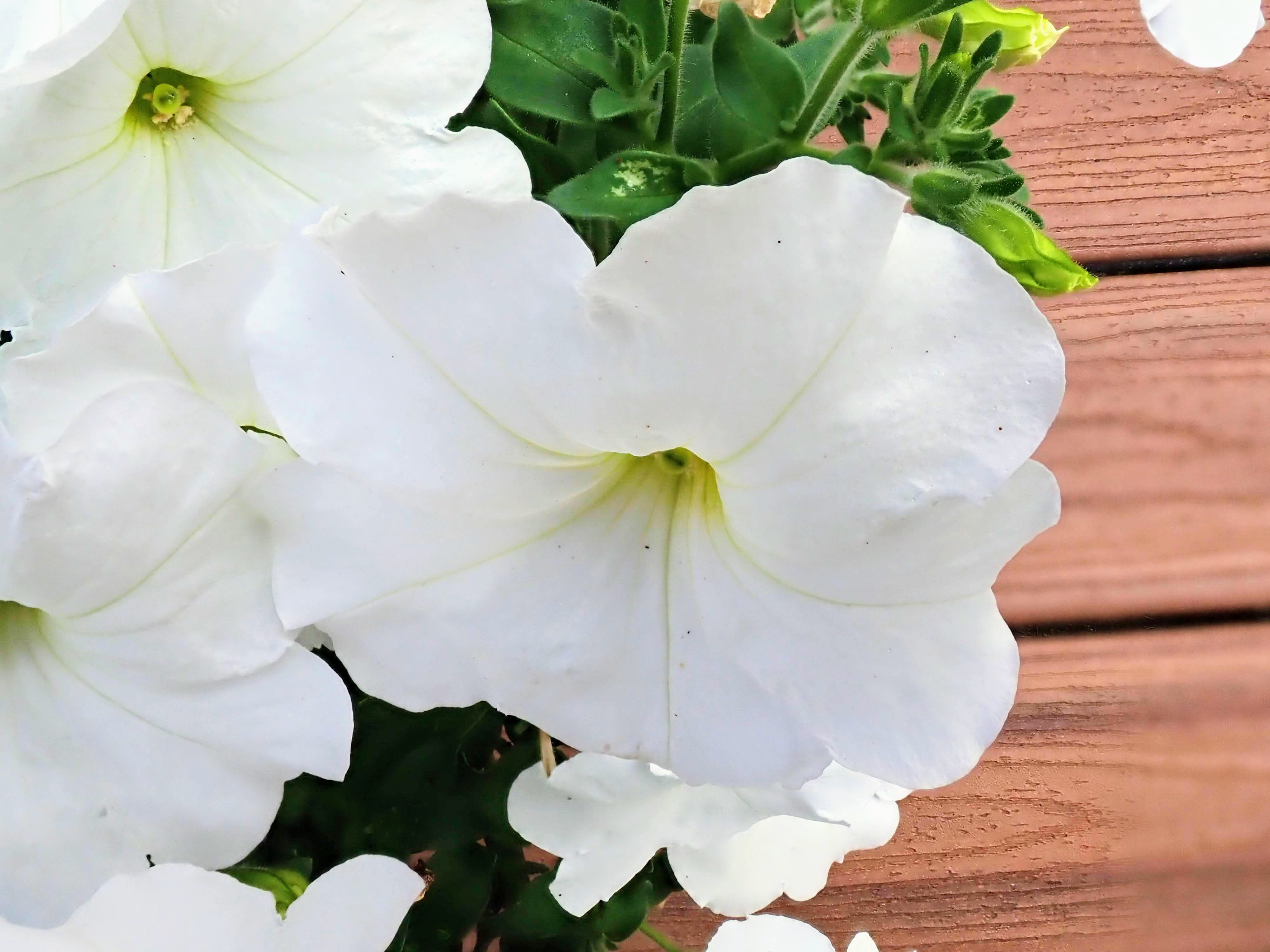
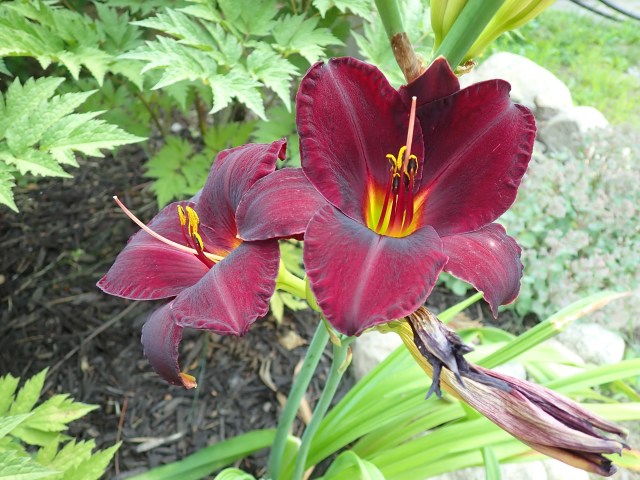
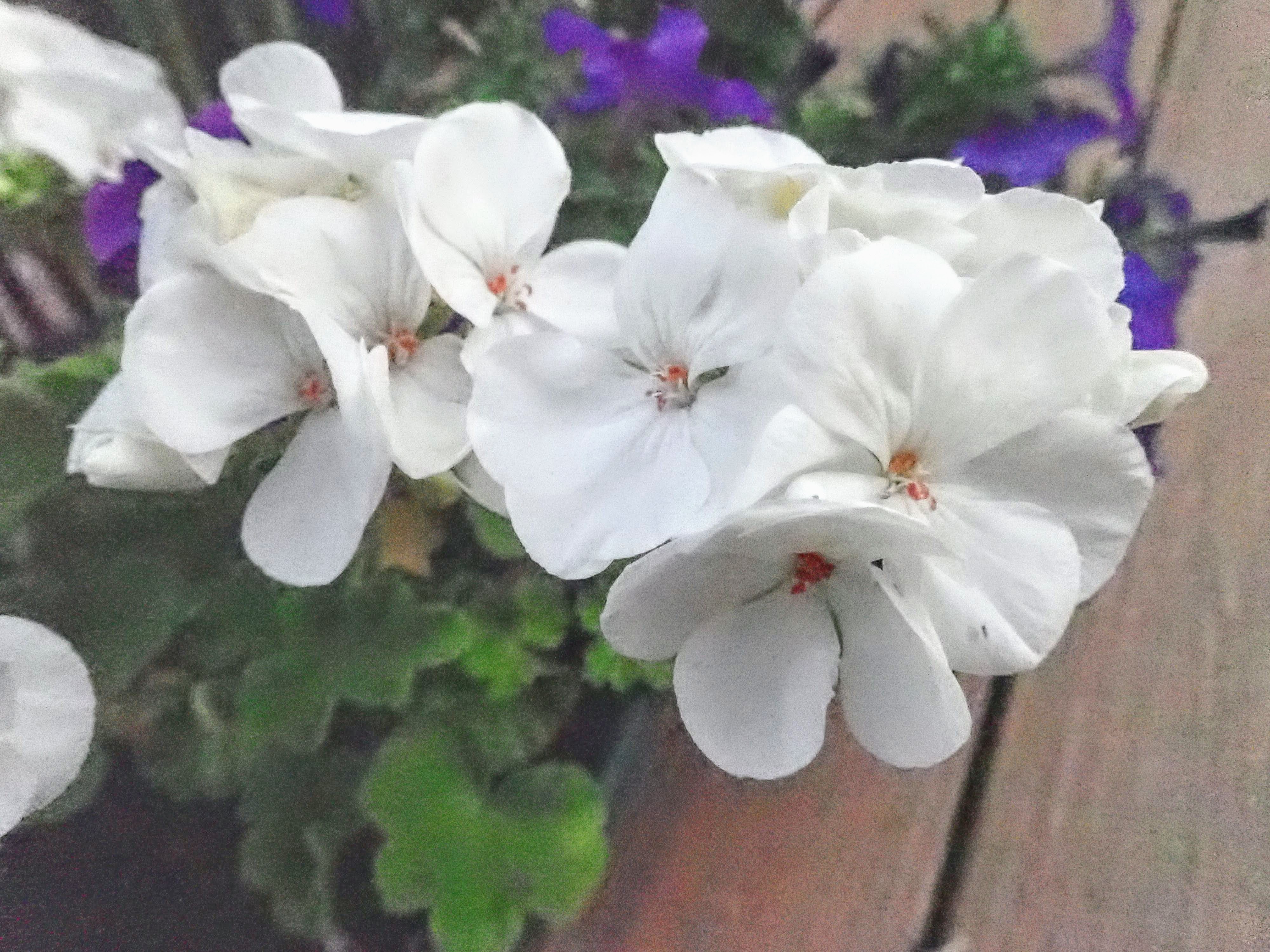
Common garden flowers have added cheer to our summer landscape. This post is simply to share pictures of some of my favorites.







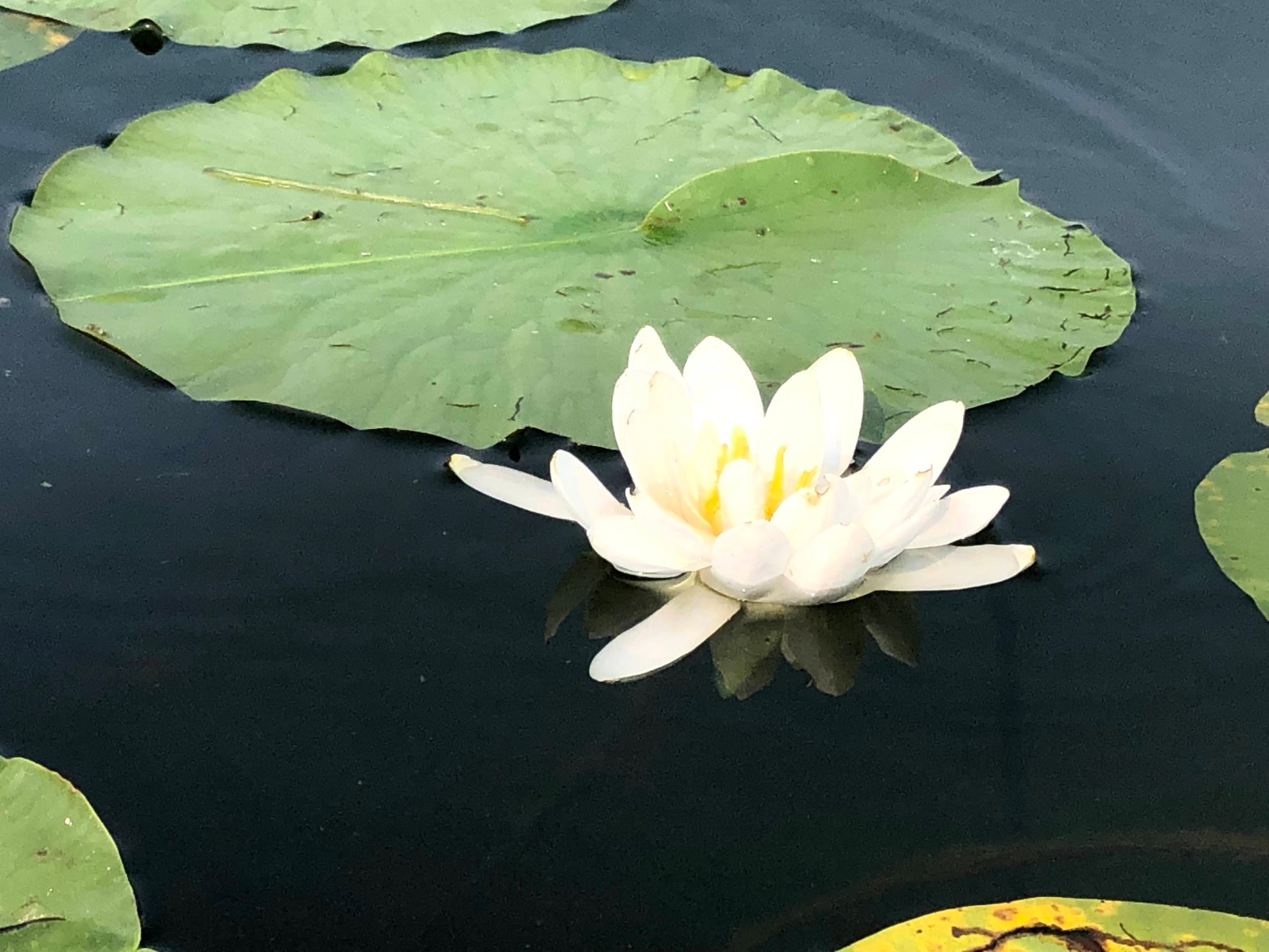
Many Fragrant Water Lilies (Nymphaea odorata) bloom in our lake in July and August. The flowers are showy yet I had not noticed insects attracted to them, which caused me to wonder about its strategy for pollination. Investigation revealed that these plants have a very interesting reproduction process.

Each flower of the Fragrant Water Lily has a three-day life span, they close each night and open during the day.
The first day of a bloom’s life only its female portion, the stigma, is mature. The bloom does not open completely, so the flower has the form of a closed bowl. A sweet-smelling viscous fluid is secreted by the plant and fills the bottom of this bowl. Beetles, flies and other insects are attracted to this fluid. When they enter the flower, the slippery fluid causes them to fall and deposit on the stigma any pollen that they may have brought in from other flowers.
On the second and third days of a bloom’s life the pollen-producing anthers are mature and the flower opens wide to welcome pollen-spreading insects. Self-fertilization of the flower is prevented because pollen-production in each flower occurs only after the first-day fertilization of the stigma.


Once a fertilizer flower has completed its three-day cycle it closes and retracts under water to develop its seeds.
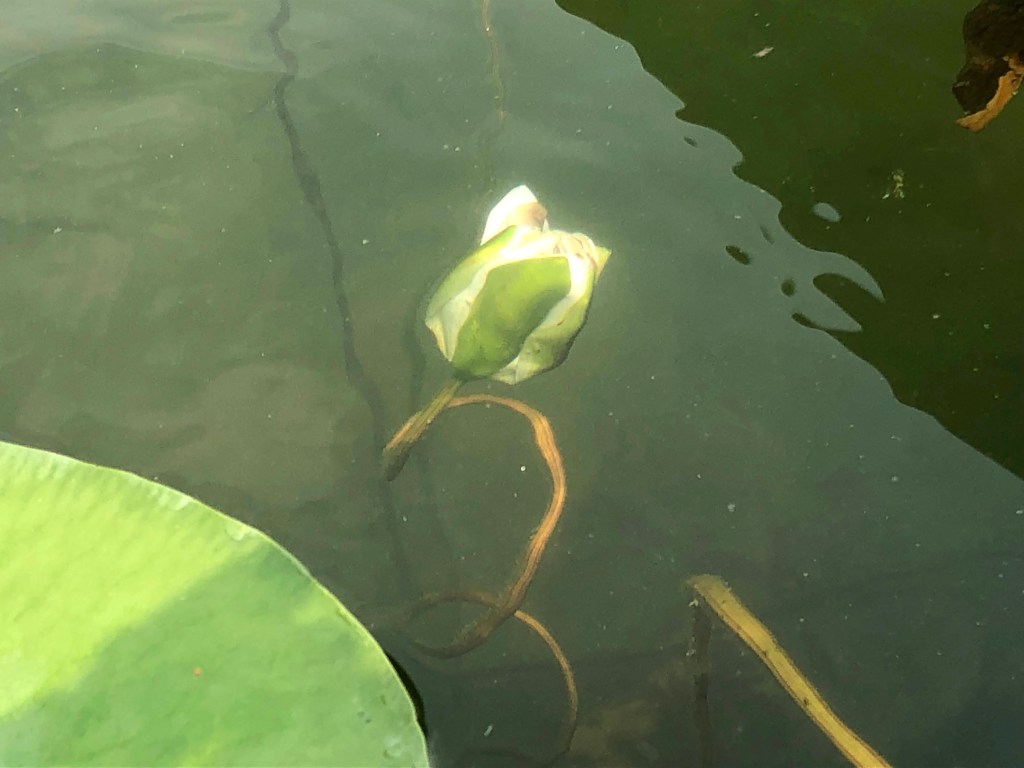

The short video below shows a Water Lily bloom bobbing with gentle waves in the lake. It seems reasonable that this bobbing action could help deposit pollen on the stigma (first day) and improve the chances that visiting insects will leave the flower carrying some of its pollen (days two and three).
At our lake in north-central Minnesota we have often noticed circular areas on the lakebed, each a few feet across, where bottom muck is cleared away to reveal sand beneath. With a little research we discovered that bluegill sunfish were likely responsible, and that these circles are their nests. But we had not seen fish actually inhabiting these circles — up until this June.
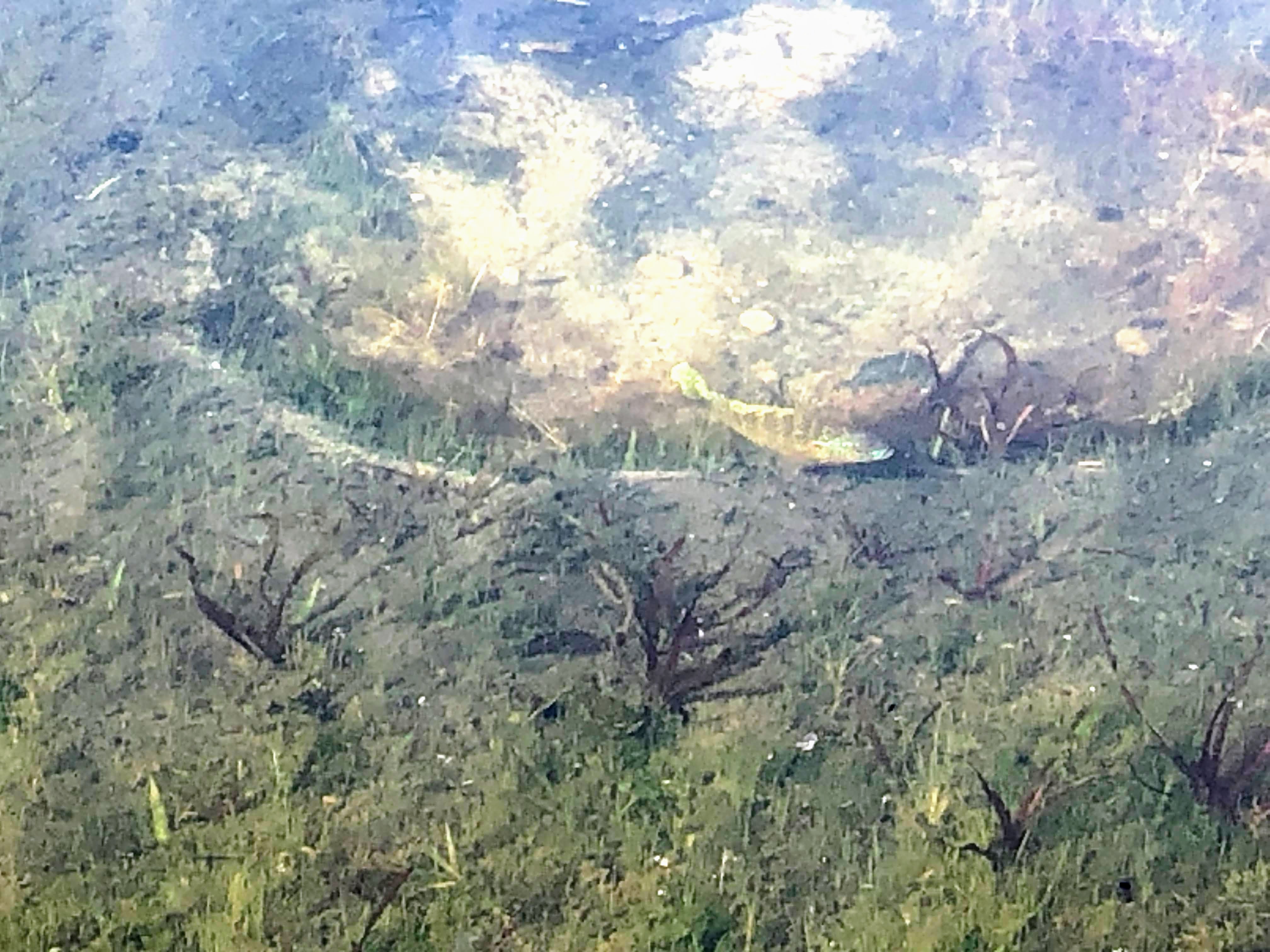
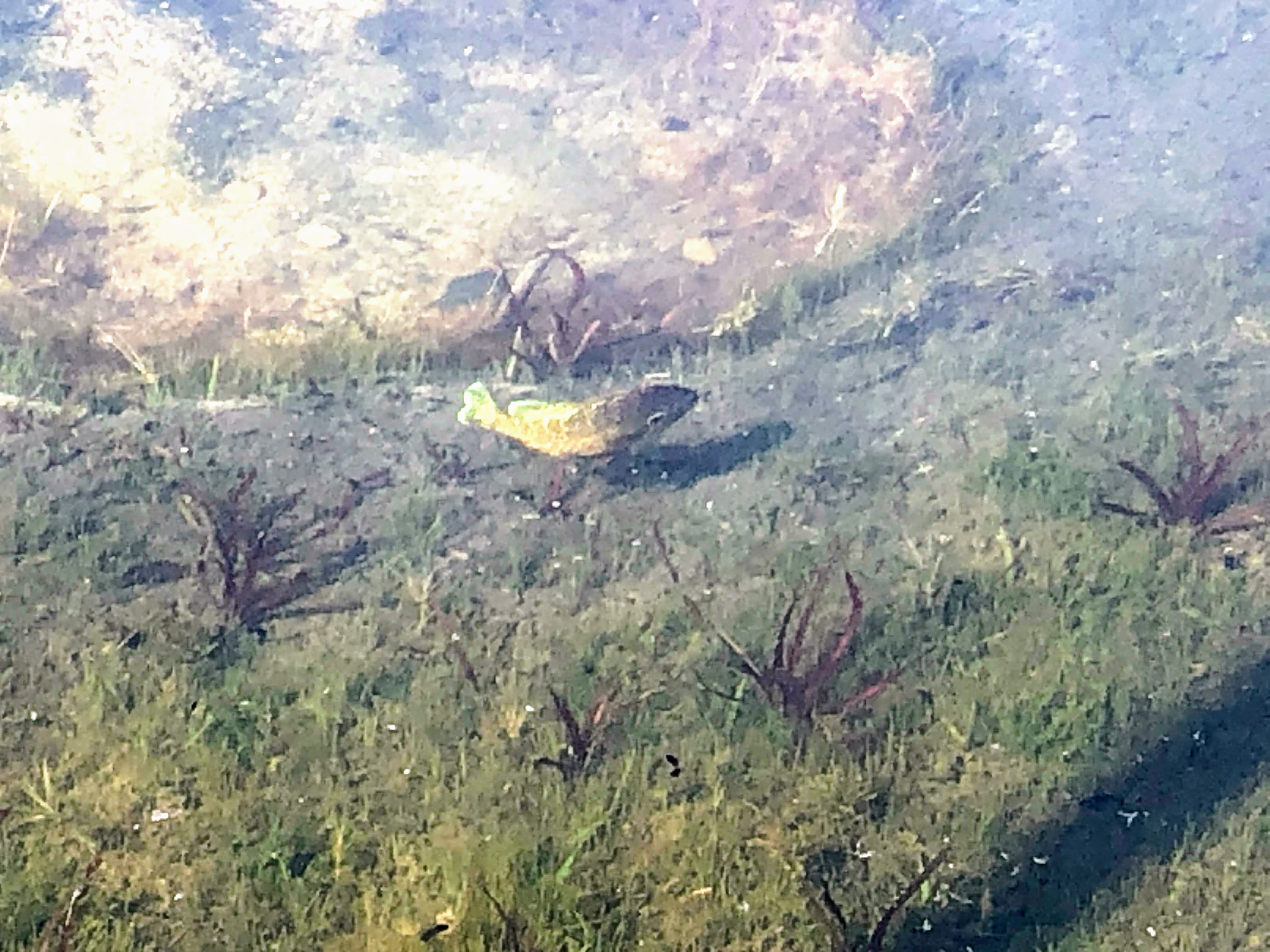
In the first days of June we noticed a bluegill sunfish sticking very close to his circle-nest just a few feet to the right of our dock. Remarkably, nearly every day of June we found him in the same spot hovering in his nest and only occasionally darting out, typically to chase away other fish.
With a bit more research we learned that this is very typical behavior for a male “parental” bluegill. In fact, the reproductive strategies of male bluegills are very interesting and unusual. A comical description of bluegill behavior is given by a YouTube video titled “The Absurd Mating Strategies of the Bluegill Sunfish”.
The video tells how the male “parental” bluegills work hard building a nest to attract females, only to deal with competition from other male bluegills called “sneakers”. Rather than compete with the terrific job the video does in providing the intimate details, I’ll end this post with a few images and videos of “our” bluegill.


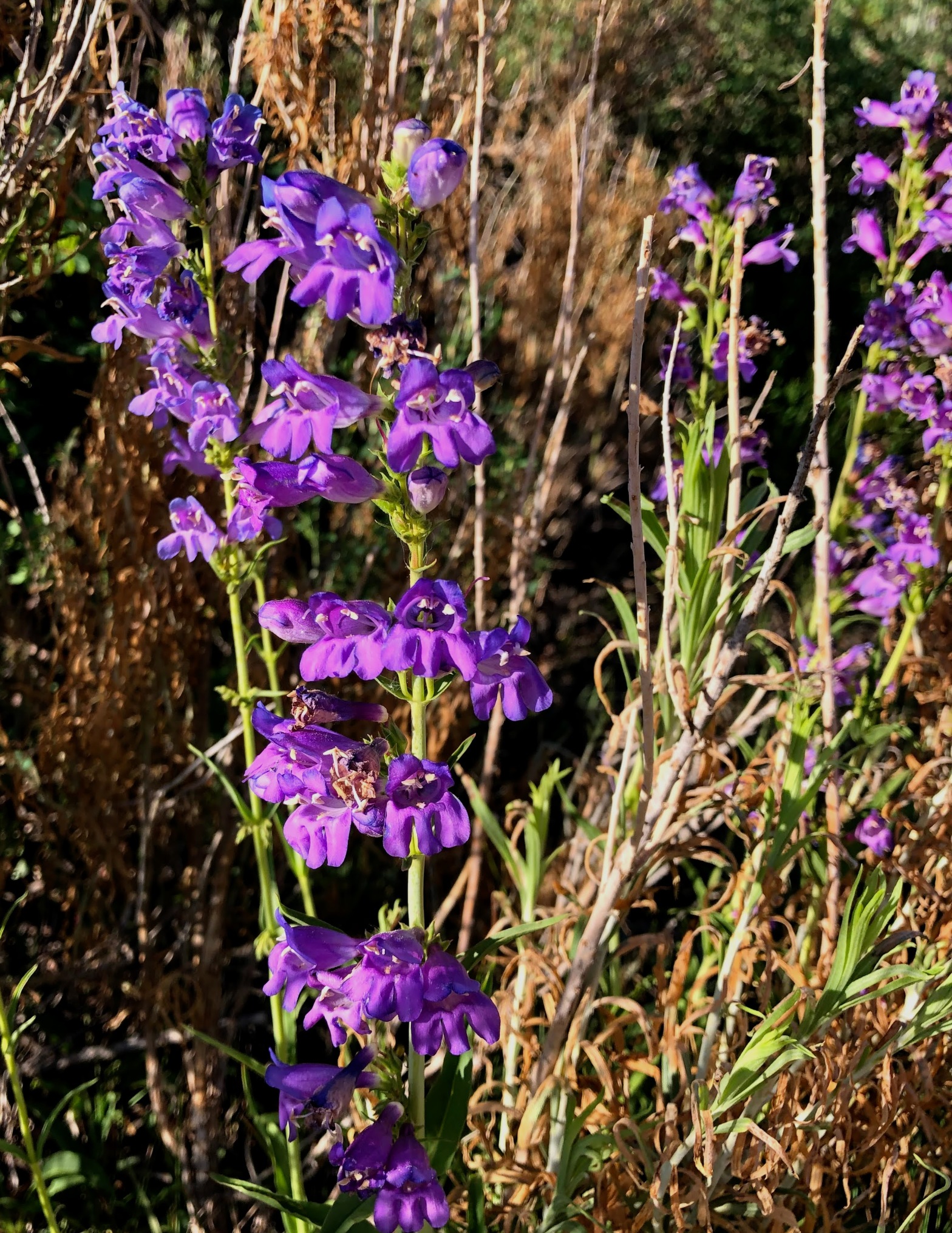
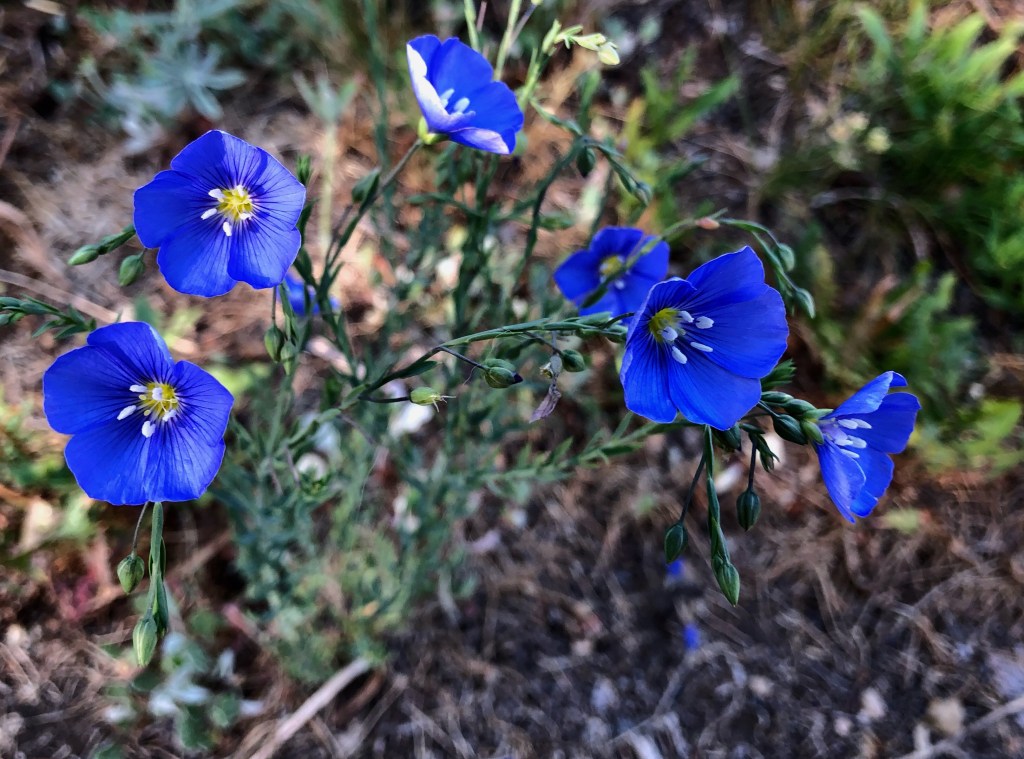
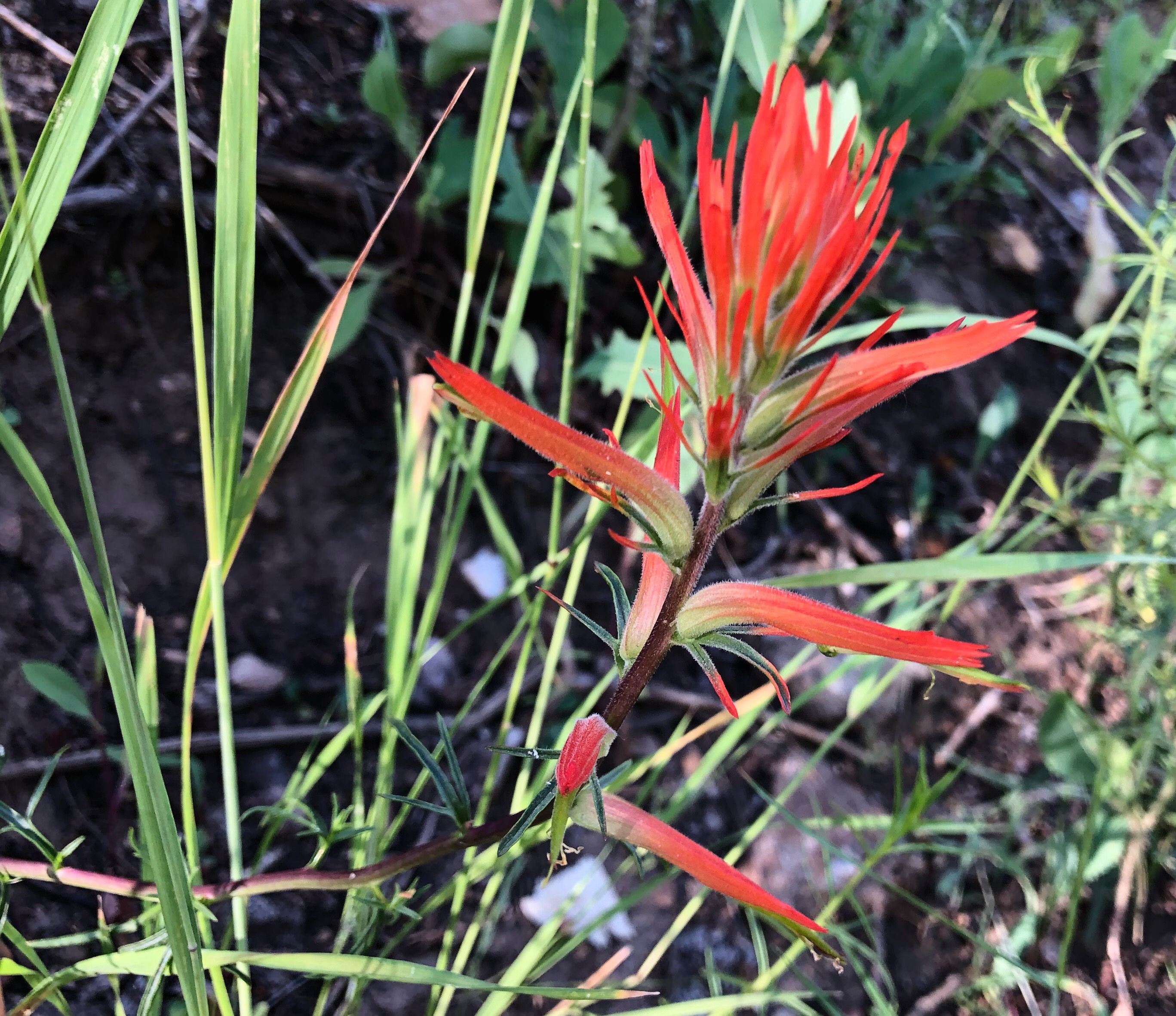
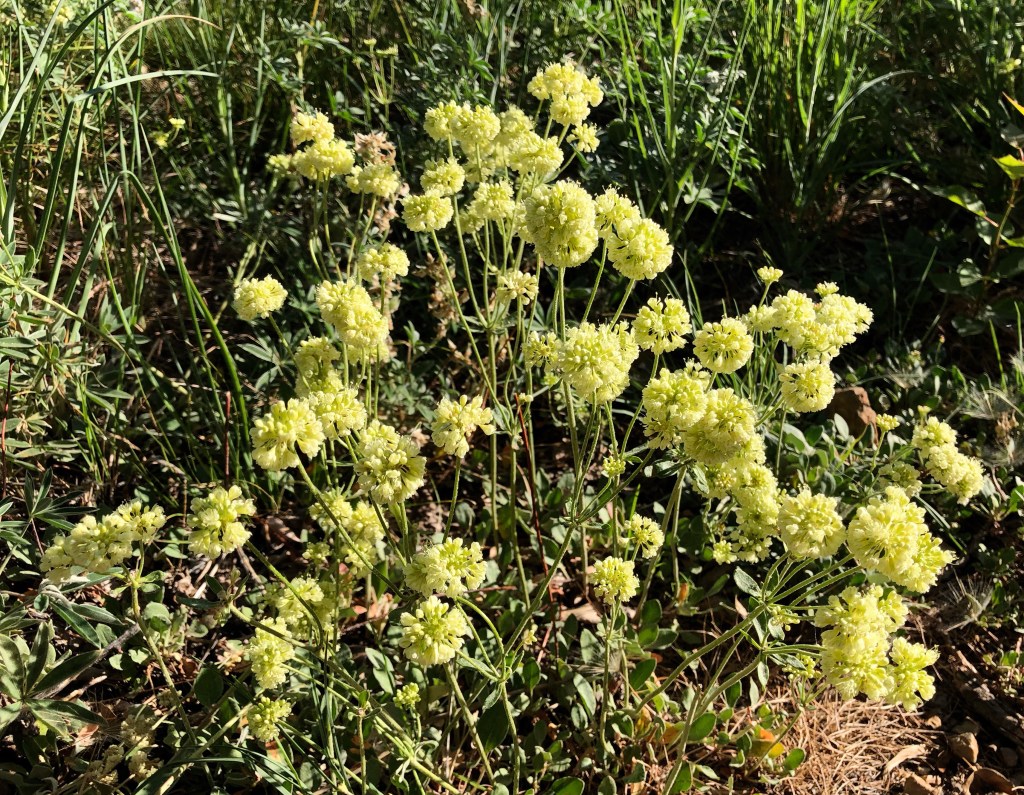
The summer of 2021 has been exceptionally dry in Utah. Despite this several hardy wildflowers are flowering along hiking trails at high elevations east of Salt Lake City.
Think of the water that could be saved by replacement of grass lawns with attractive plants like these.




Roses can be successfully grown in cold climates, like our area in Northern Minnesota which is in USDA hardiness zone 3 (very cold winters). Helpful web pages from the Minnesota Rose Society and Gardening Know How provide terrific information on proper selection and care of roses that can survive even brutal winters.
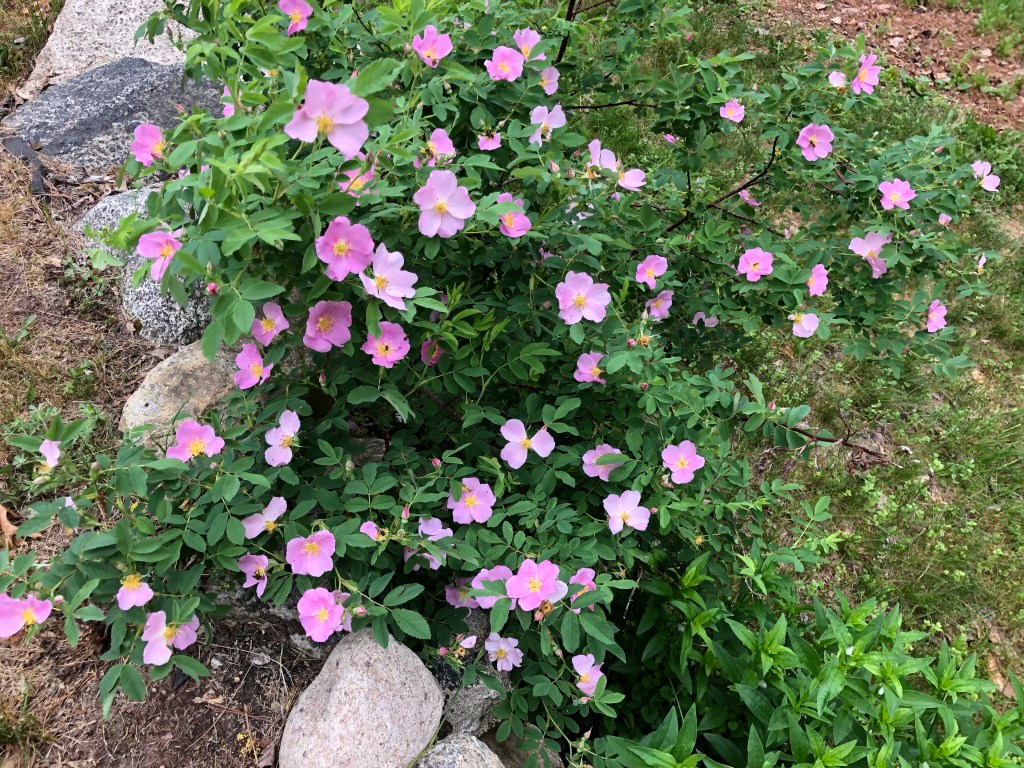
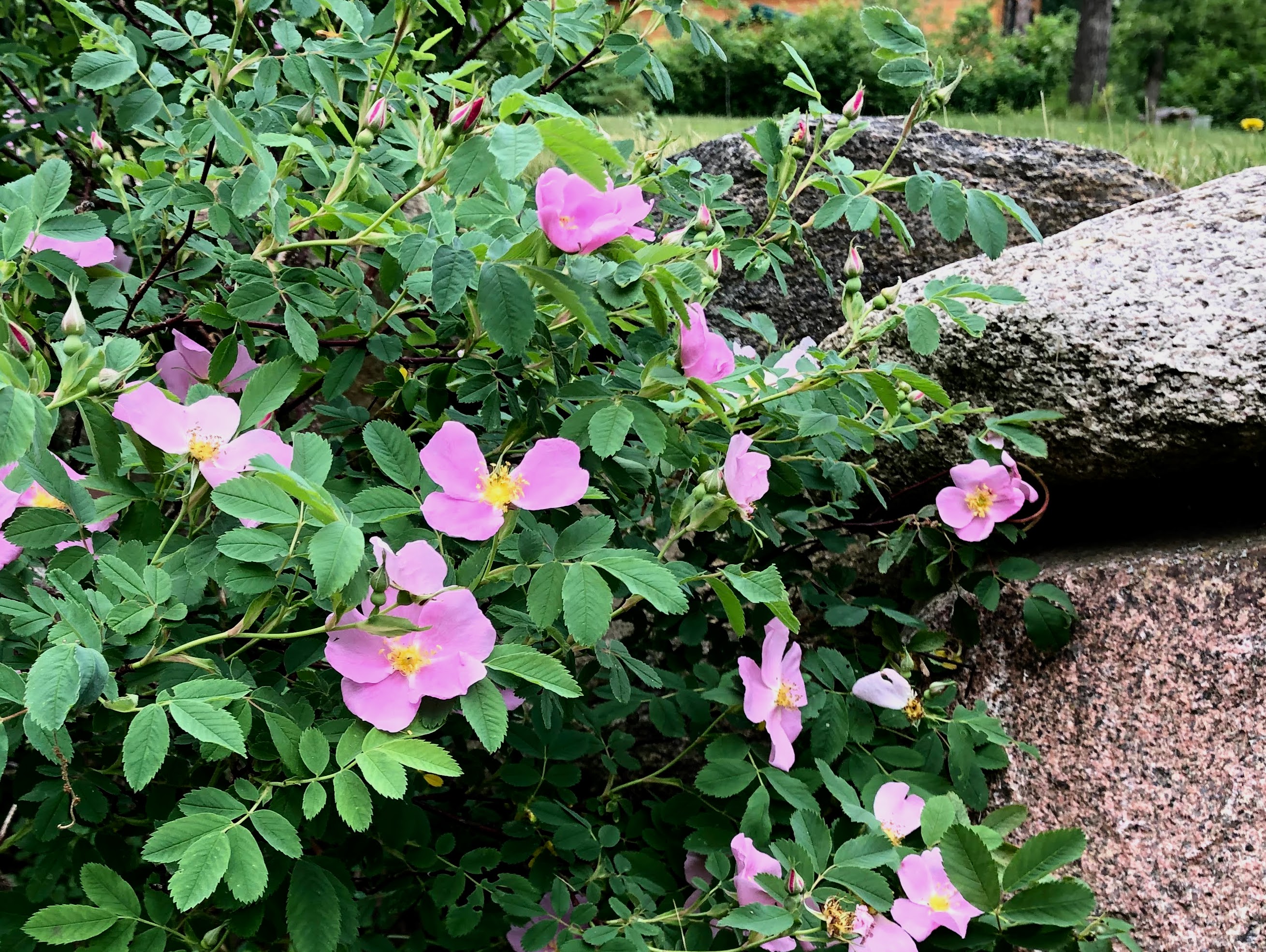
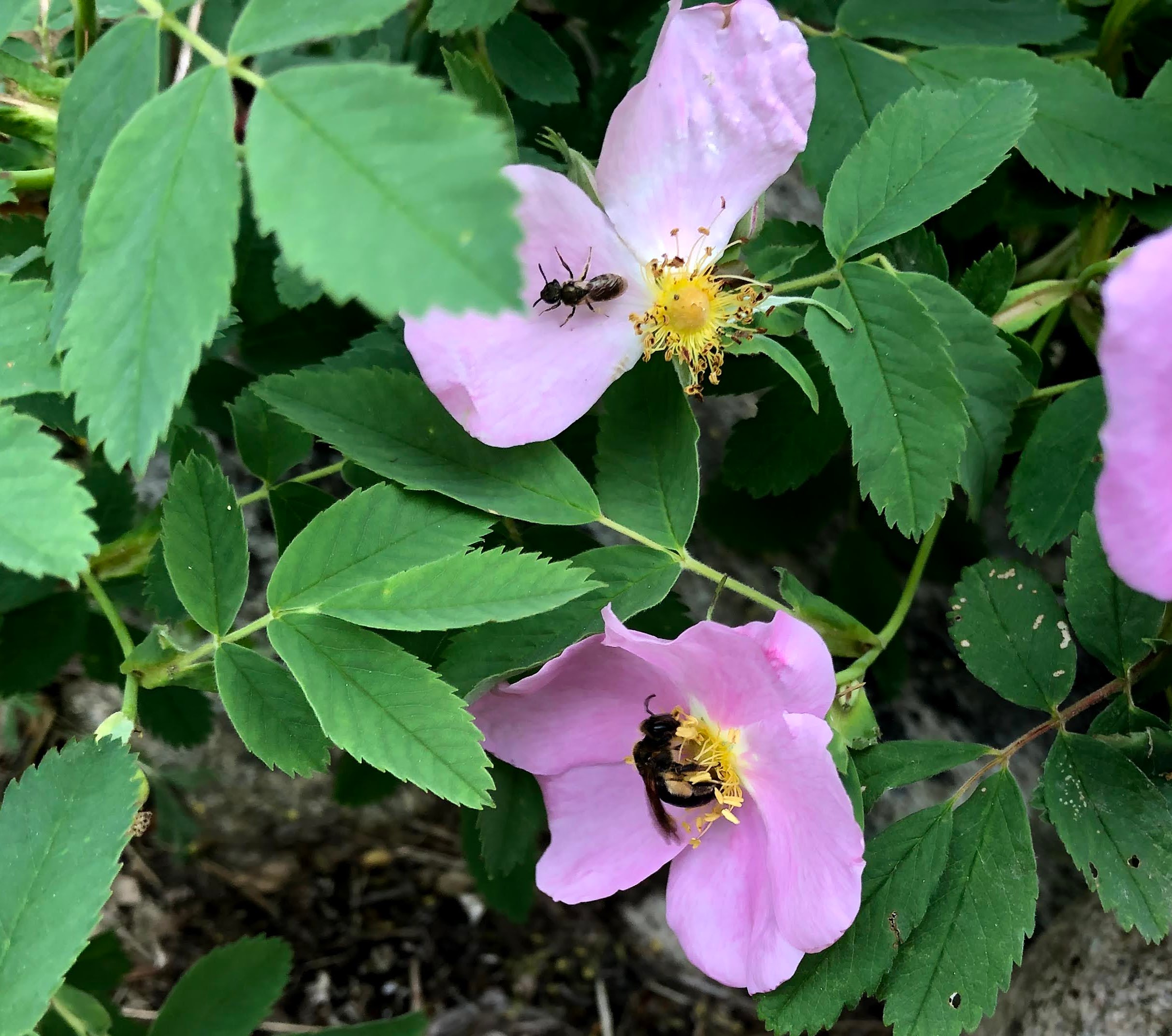
Alternatively, there are roses that grow wild in our area that thrive with very little care. The pictures below are of a wild rose bush moved from our woods to become part of our landscaping. It is most likely a Smooth Wild Rose (Rosa blanda), although it could be either of two very similar species, a Prairie Rose (Rosa arkansana) or a Wood’s Wild Rose (Rosa woodsii)


 North MN Outdoors