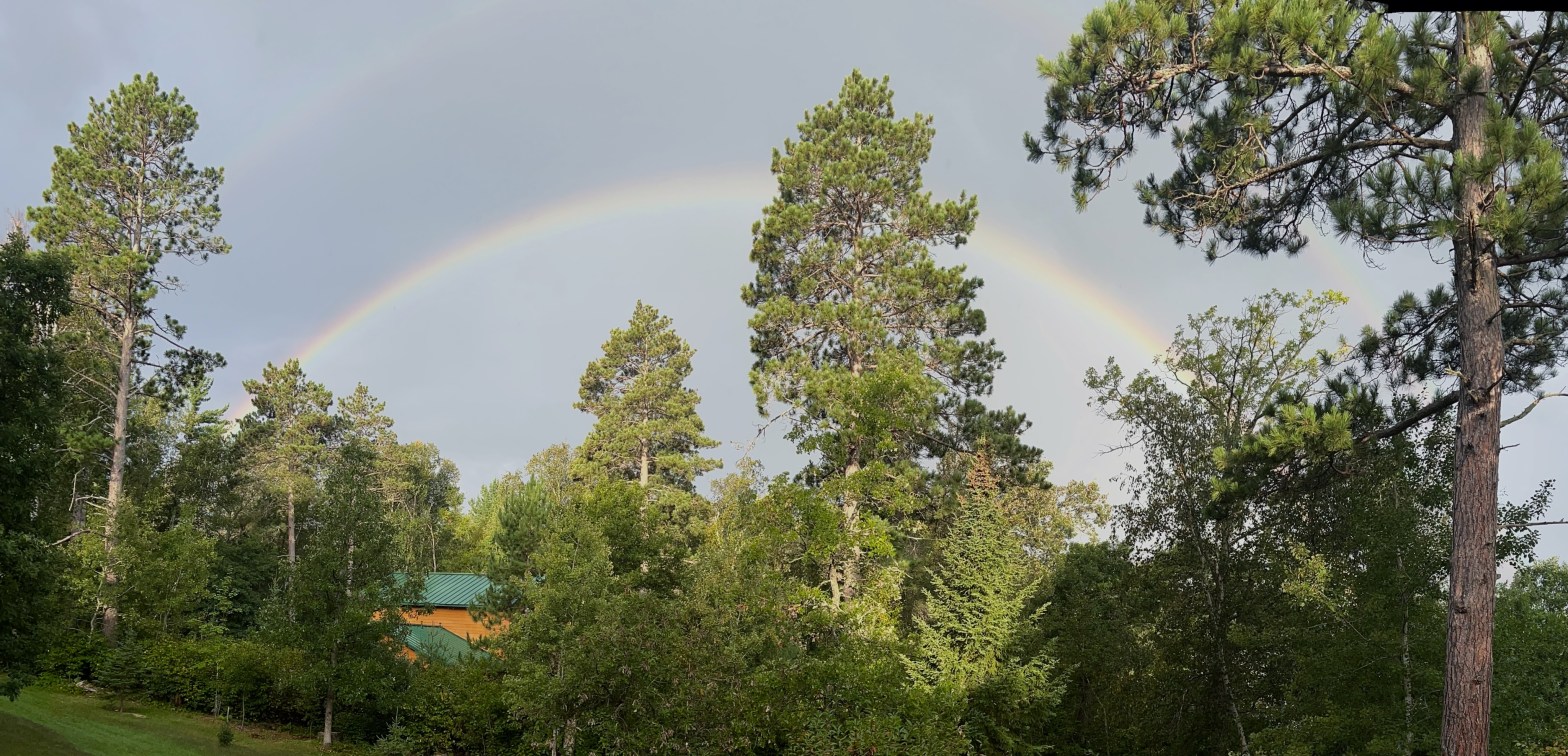
These pictures were taken looking west across our lake around 8AM on September 6, 2024. There was a slight rain shower to the west with sunlight from the east hitting the raindrops. Sunlight is reflected back towards the observer by the raindrops. Because of the refractive index of water, the wavelength of light, and the …
Category Archives: useful knowledge
Northern Lights Return

The pictures below were taken last Sunday, August 11, just three months after a similar show of Northern Lights in May. I had thought Northern Lights predominantly occur in winter. This really does not make sense though. They are caused by interactions between solar activity and the Earth’s magnetic field and neither of these things …
Summertime Clouds in Minnesota
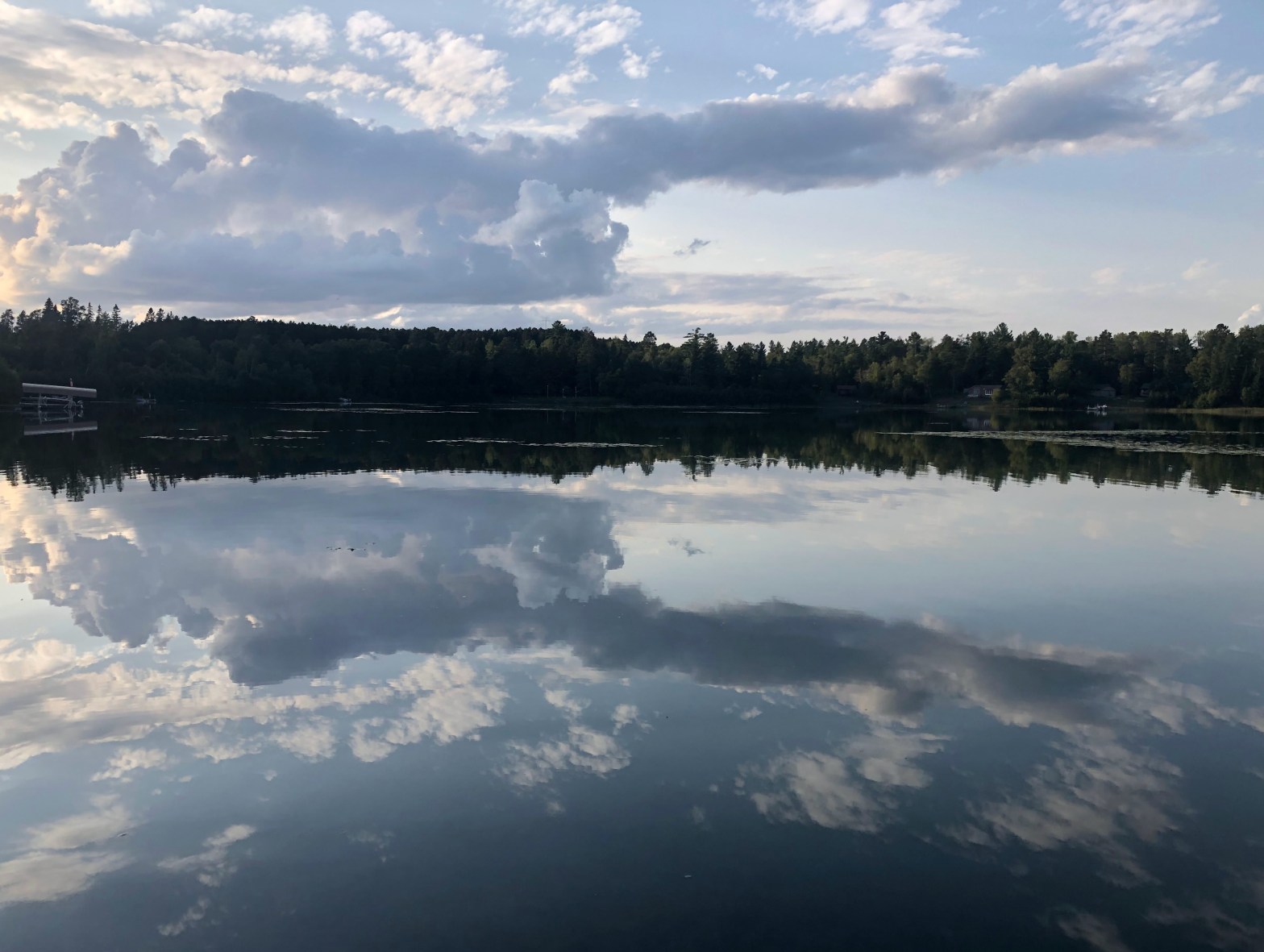
Cumulous / Cumulonimbus clouds Cumulonimbus clouds are tall clouds associated with thunderstorms. Sometimes they form from smaller fluffy cumulous clouds, as seen in this You-Tube video. I believe the picture above shows clouds in the transition from cumulous to cumulonimbus. Cirrus clouds Cirrus clouds are comprised of ice crystals at high altitudes. They are found …
Destroying Angel? Death Cap?

Recently I found this mushroom at the edge of our yard. I was surprised to learn from mushroom ID apps that it is likely either the Death Cap (Amanita phalloides) or the North American Destroying Angel (Amanita bisporigera). As you can probably tell from these names, both of these mushrooms are deadly poisonous. The Amanita …
Giant Mayfly
Yesterday there were huge numbers of the Giant Mayfly (Hexagenia limbata) covering building surfaces facing the shoreline of Leech Lake in Walker Minnesota. The images below were taken on Walker’s public dock. In the central image above, the Mayfly to the right is male and the one to the left is a female. Males typically …
Southern Trees; Southern Live Oaks with Spanish Moss
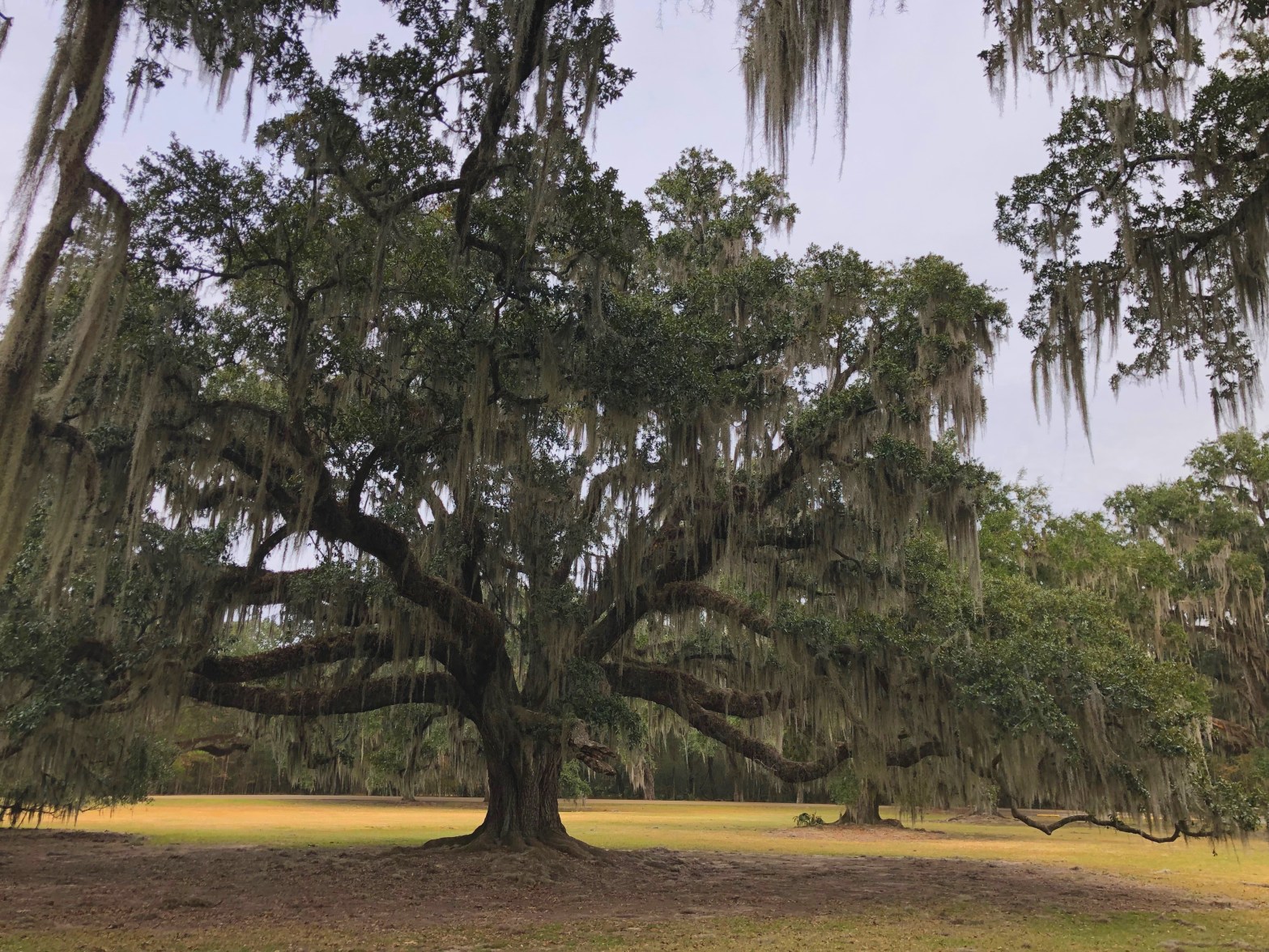
Oaks are common both in Minnesota and Louisiana. Like pines, oak species are different in the north vs. the south. Southern Live Oak (Quercus virginiana ) is a distinctive and beautiful oak species found along the Southeastern Atlantic Coast from Virginia to Florida, and along the Gulf Coast from Florida to Texas. Live Oaks retain …
Continue reading “Southern Trees; Southern Live Oaks with Spanish Moss”
Southern Trees; Bald Cypress
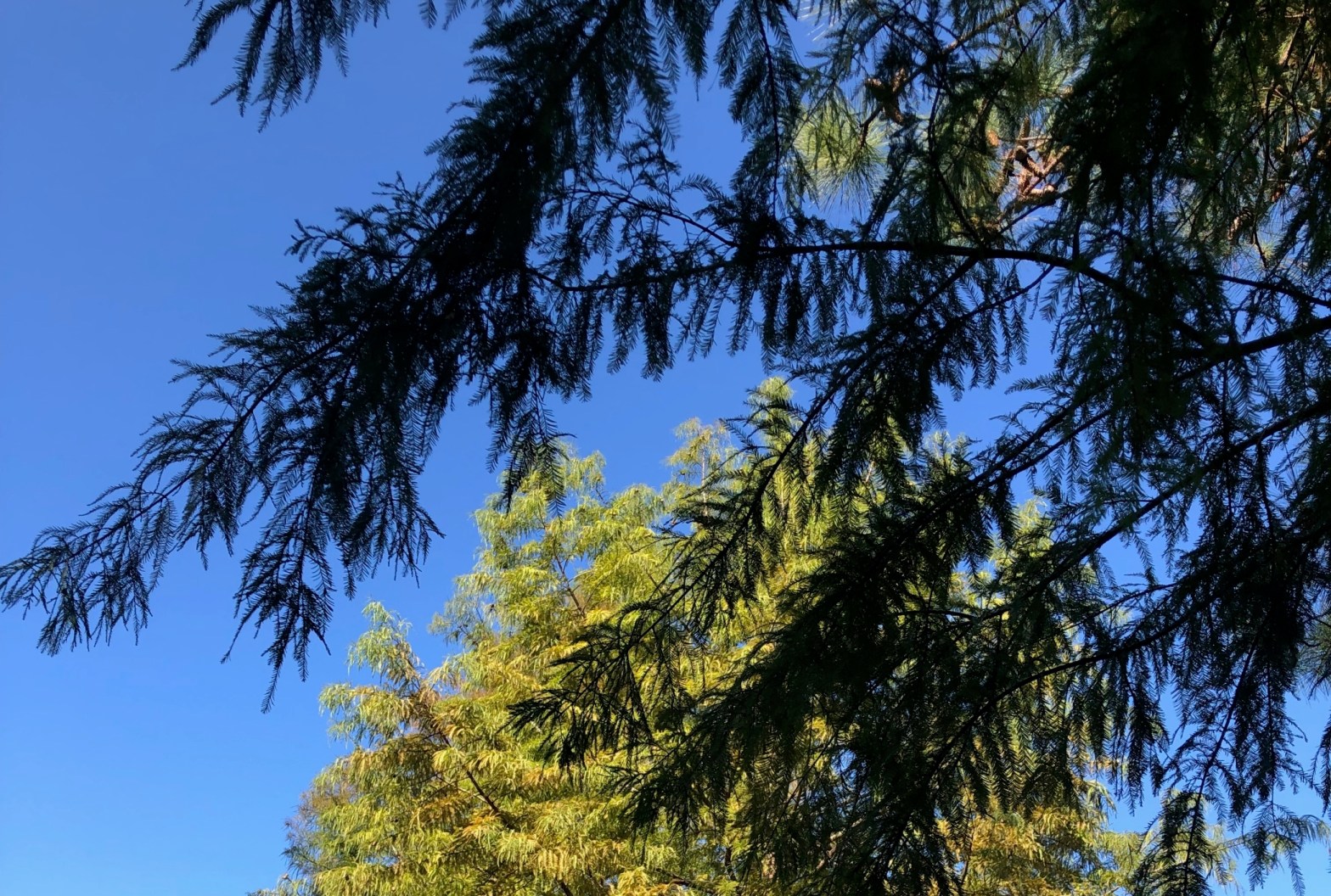
We have returned south to Louisiana for the winter, so this blog will have to change a bit. To start, there will be a few posts that compare trees in the south to counterparts that grow in Minnesota. The first tree to be featured is the state tree of Louisiana, the Bald Cypress (Taxodium distichum), …
Winter Survival; Insects
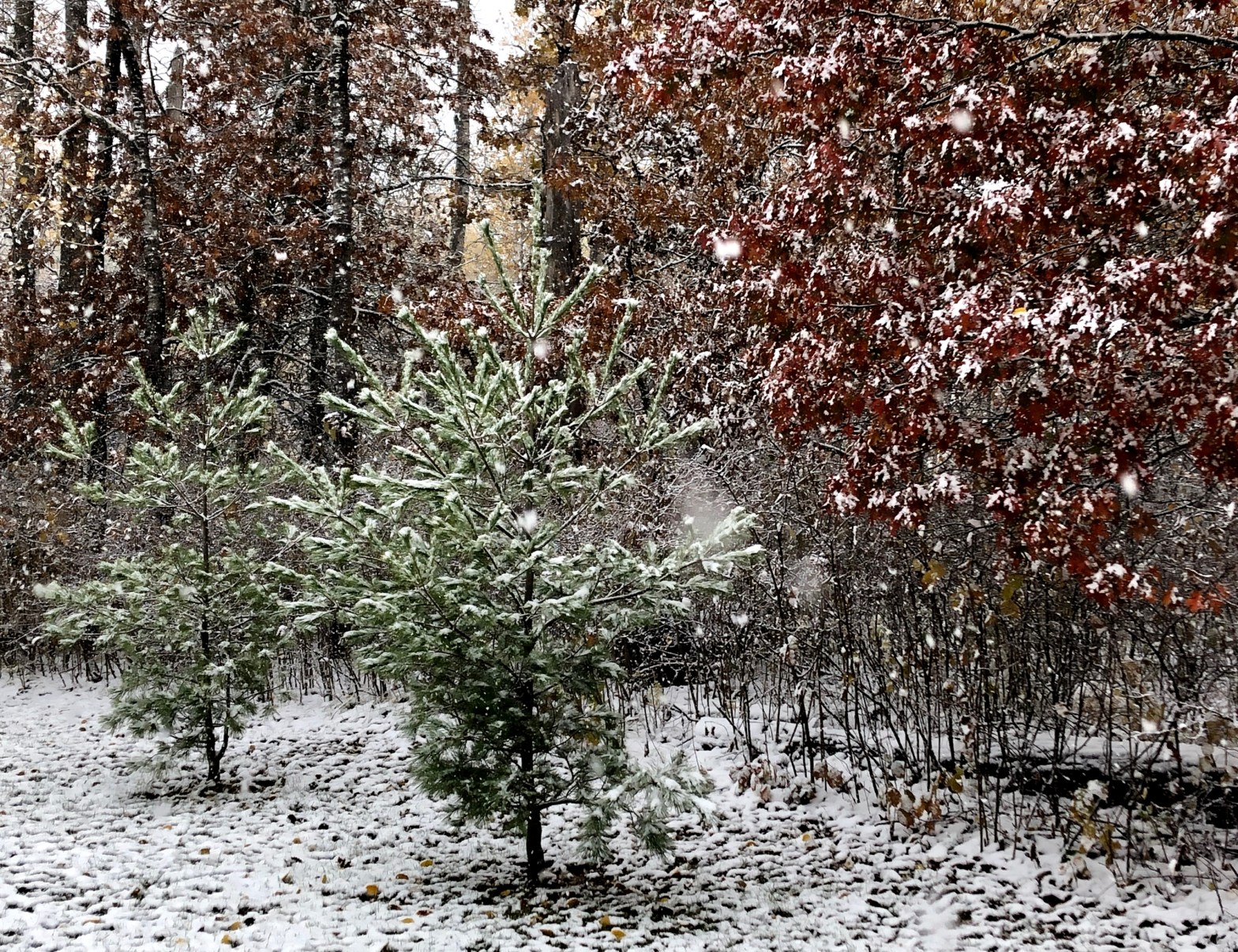
Remarkably, tiny insects survive weeks and months of sub-zero cold each year. This post provides brief descriptions of how three common bugs manage this; Woollybear Caterpillars, Mosquitos, and Ticks. Woollybear Caterpillar (Pyrrharctia isabella) The woollybear hatches in the fall and overwinters in its caterpillar form, when it nearly freezes solid. Their bodies produce glycerol, a …
Fall Colors; Tamaracks
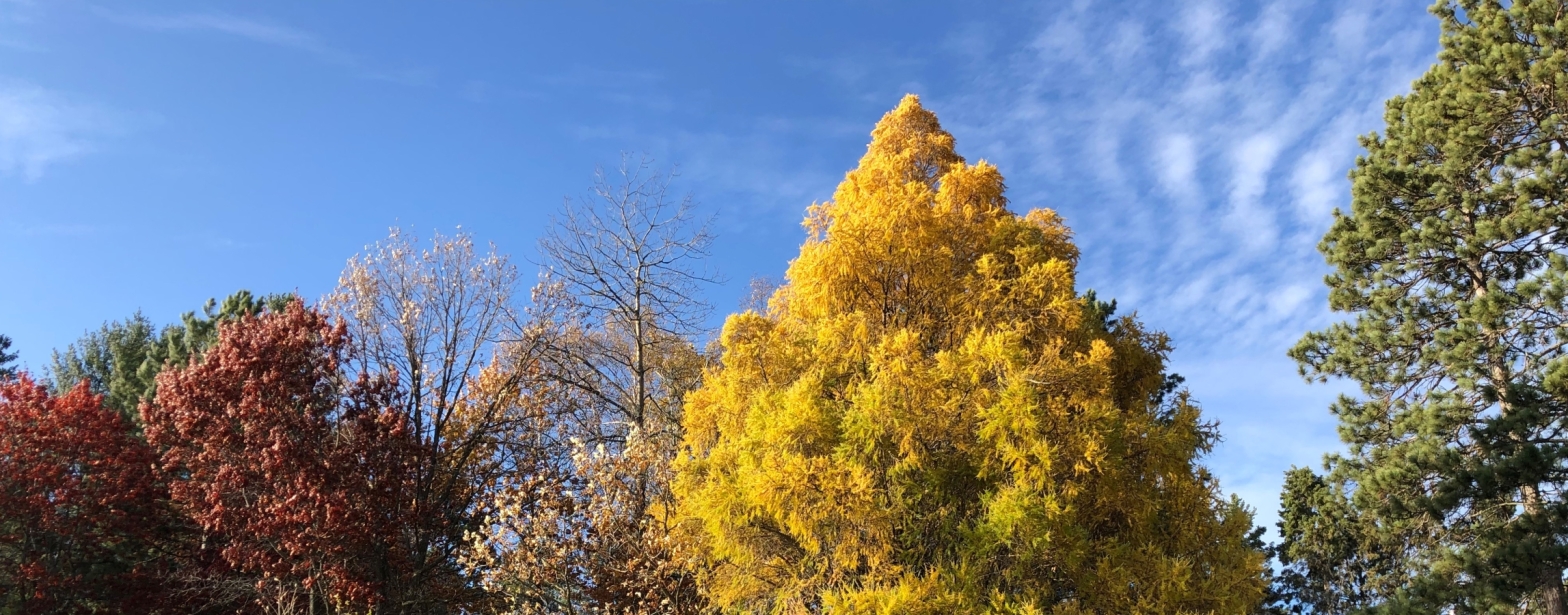
The tamarack is unusual because it is the only conifer native to Minnesota that is not evergreen. The photos below show how local tamaracks have changed color from September to October prior to dropping all their needles. A disadvantage for deciduous trees is that they must expend considerable resources to make new leaves each year. …
Winter Survival; Trees
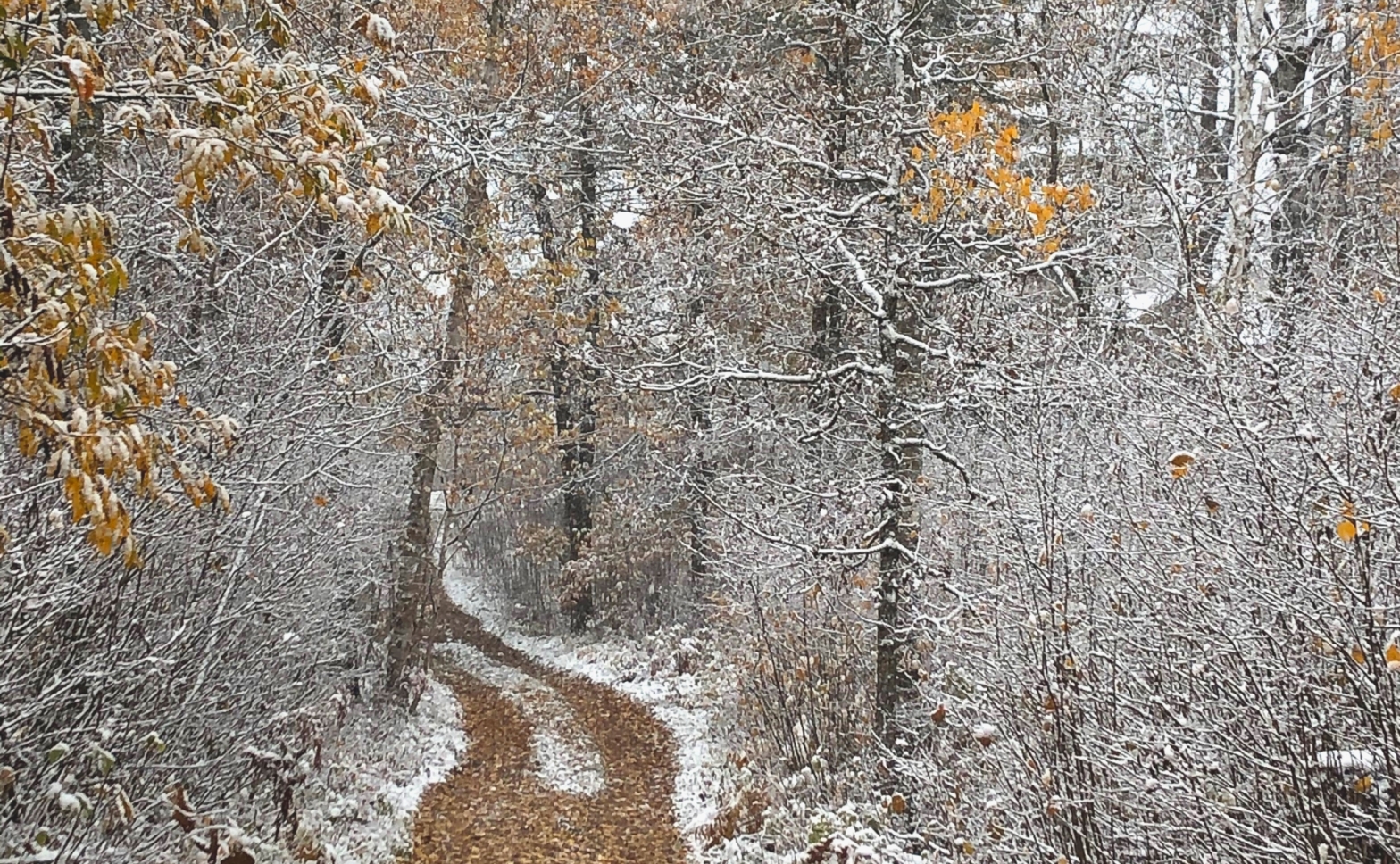
Gentle snow fell in Northwestern Minnesota in early October this year, providing a wintertime preview. Surviving winter temperatures far below freezing is a big challenge for plants and animals. Today’s post focuses on how trees make it through — with some scenic pictures of the recent snow. Trees are largely comprised of water, a critical …
 North MN Outdoors