
June seems like the premiere month for wildflowers in our part of North-central Minnesota. This post shares photos of some of our local June wildflowers. They are arranged from those appearing early in the month to those that we see now at June’s end.
Early June
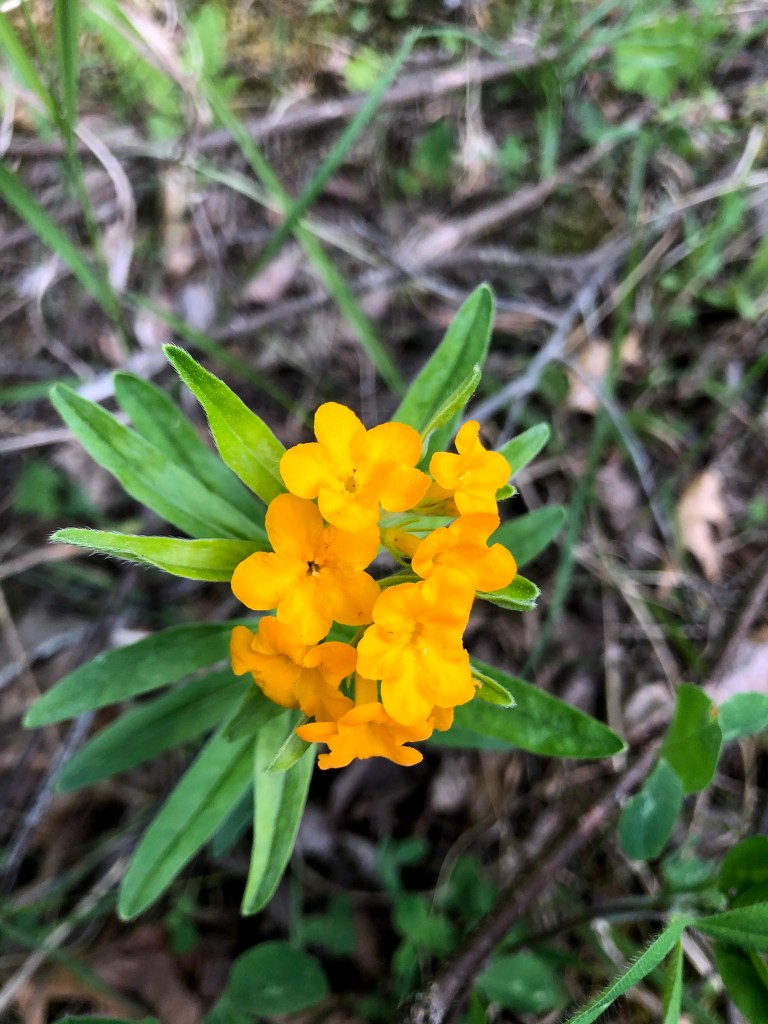


Hoary Puccoon
Lithospermum canescens
This is a favorite wildflower, prevalent along our gravel roads from late in May to Late June. The name “puccoon” comes from a Native American word referring to red dye that can be extracted from its roots. Attempts to propagate the Hoary Puccoon to the garden have mostly failed. An ecologist at the Chicago Botanical Garden published a blog post explaining why the Hoary Puccoon resists propagation.

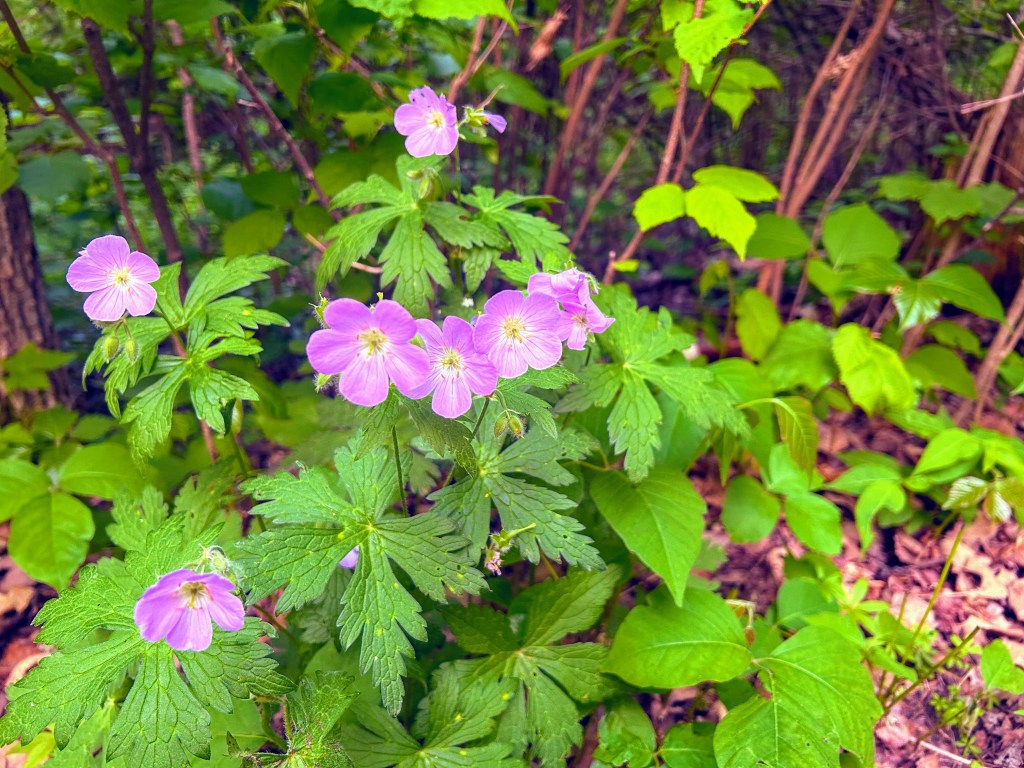
Wild Geranium
Geranium maculatum
Wild Geranium is a beautiful woodland plant that adapts well to shady spots in the garden. When its seeds are mature the plant spreads them in a catapult-like action. The seeds are structured so that changes in humidity cause the seed to drive into the soil. So, it basically plants itself.

Bunchberry Dogwood
Cornus canadensis
Bunchberry Dogwood is a low-growing plant often found as a ground cover in coniferous forests. It prefers moist and cool conditions. Its flowers can open incredibly fast; they have been timed opening in less than 0.4 microseconds. These rapid-opening flowers expel pollen at 24,000 m/sec (really fast).
Mid June

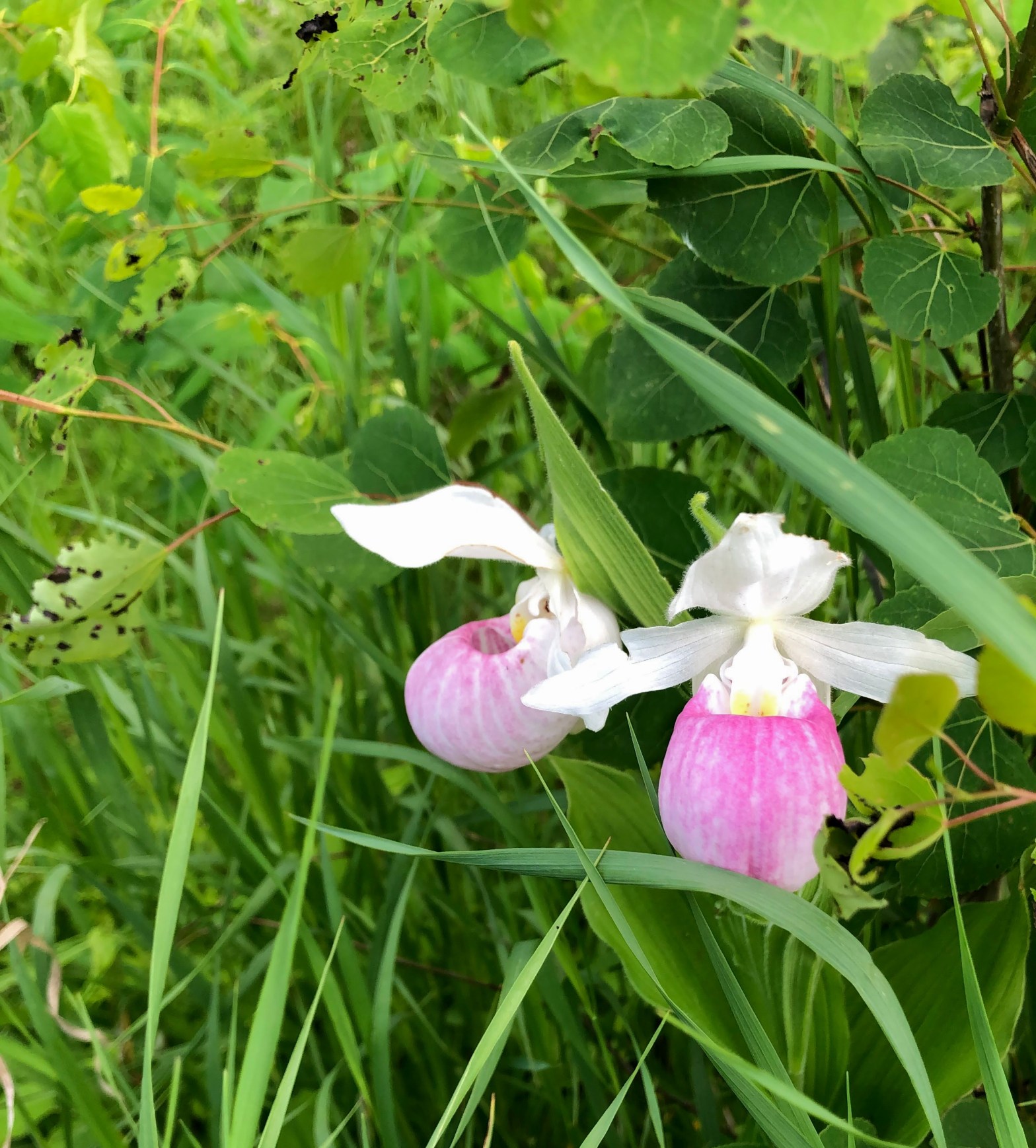
Showy Lady Slipper
Cypripedium reginae
Unfortunately, the Showy Lady Slipper is probably the rarest of the plants in this post. They grow in wet boggy areas and take many years before producing their first bloom. The Showy Lady Slipper is the state flower of Minnesota and is protected by state law.
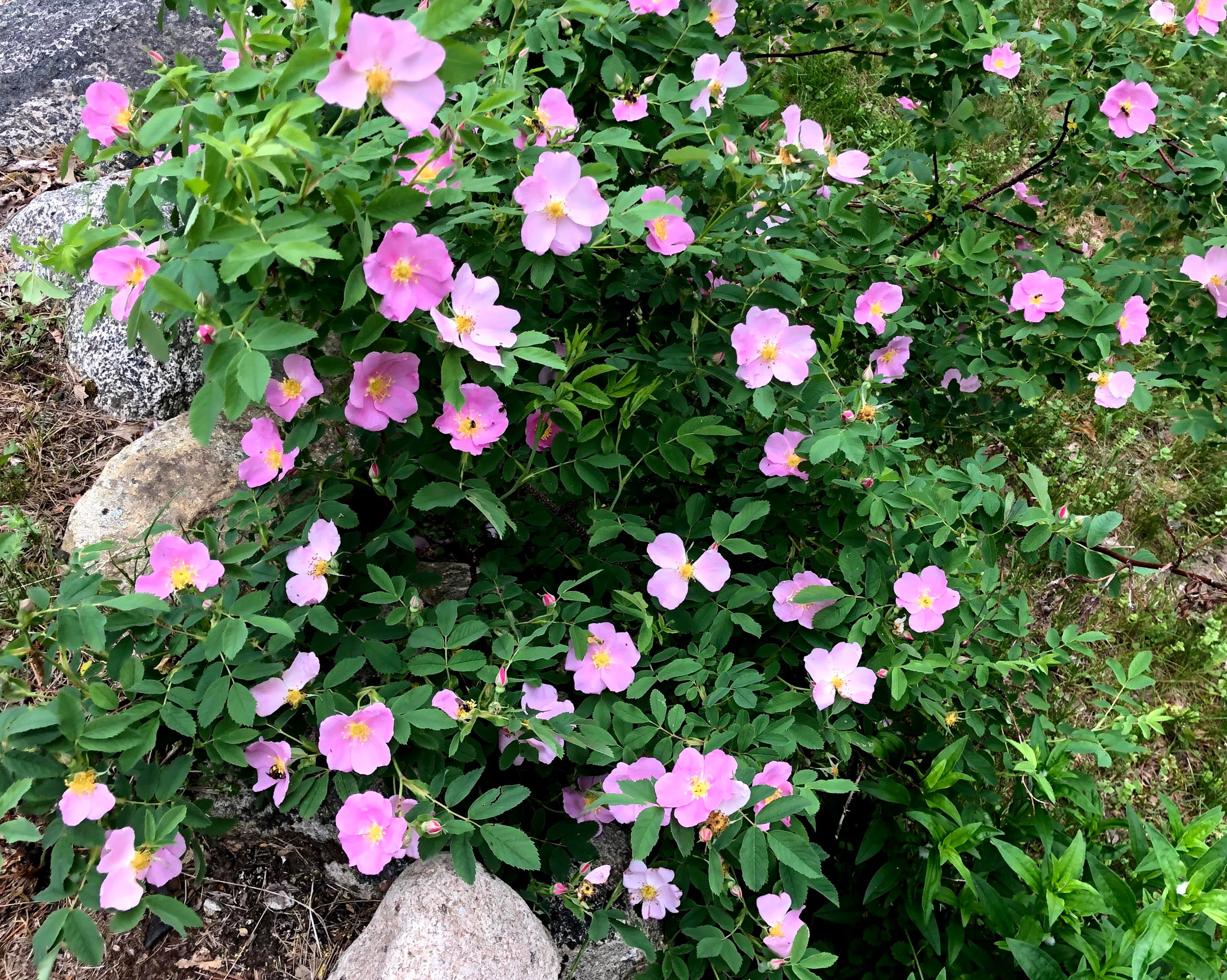
Smooth Wild Rose
Rosa blanda
Several species of wild roses are found in Minnesota. The Smooth Wild Rose is distinguished from others, like the Prairie Rose, by its smooth thorn-less stems.
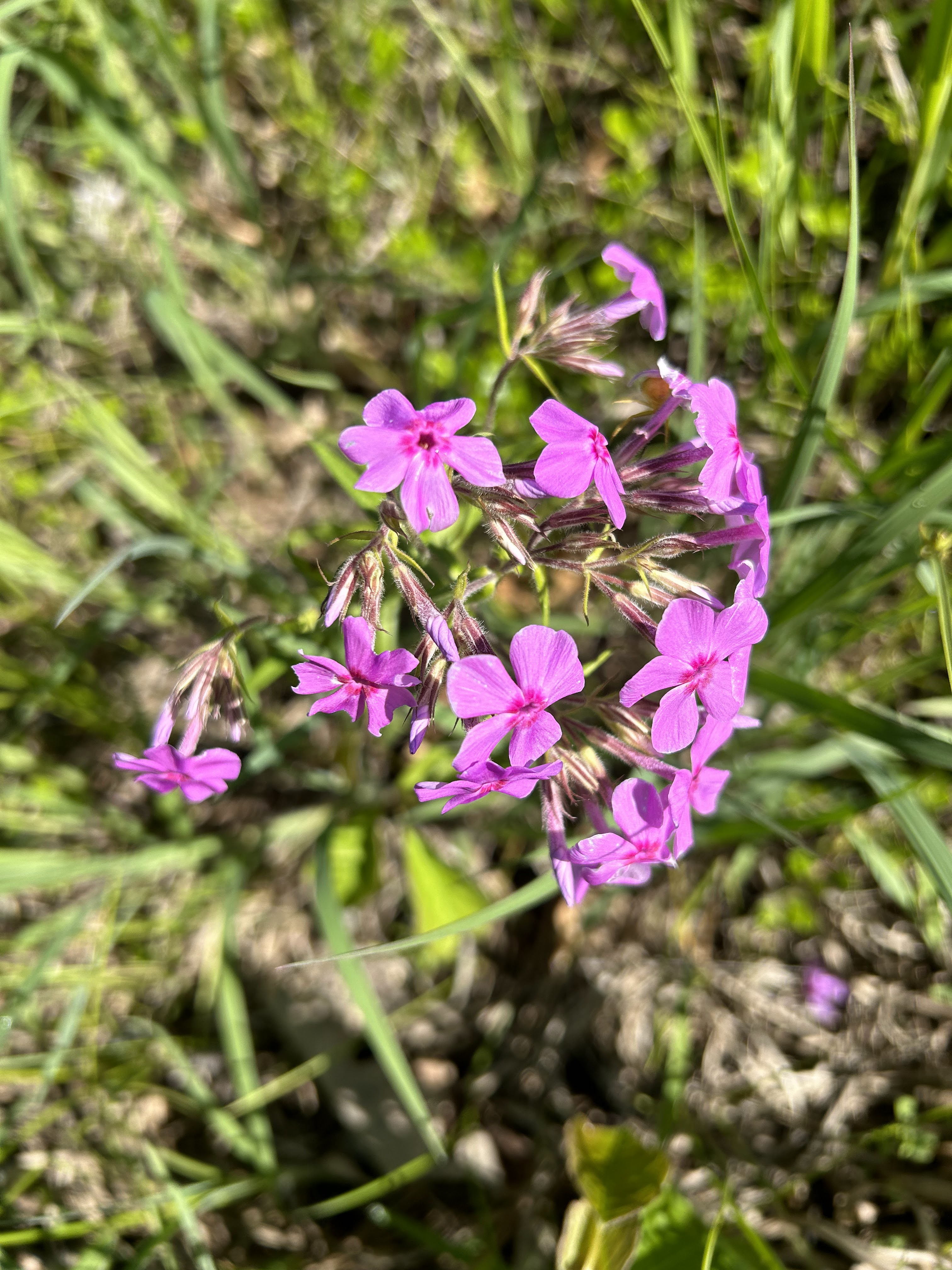


Downy Phlox
Phlox pilosa
Late June
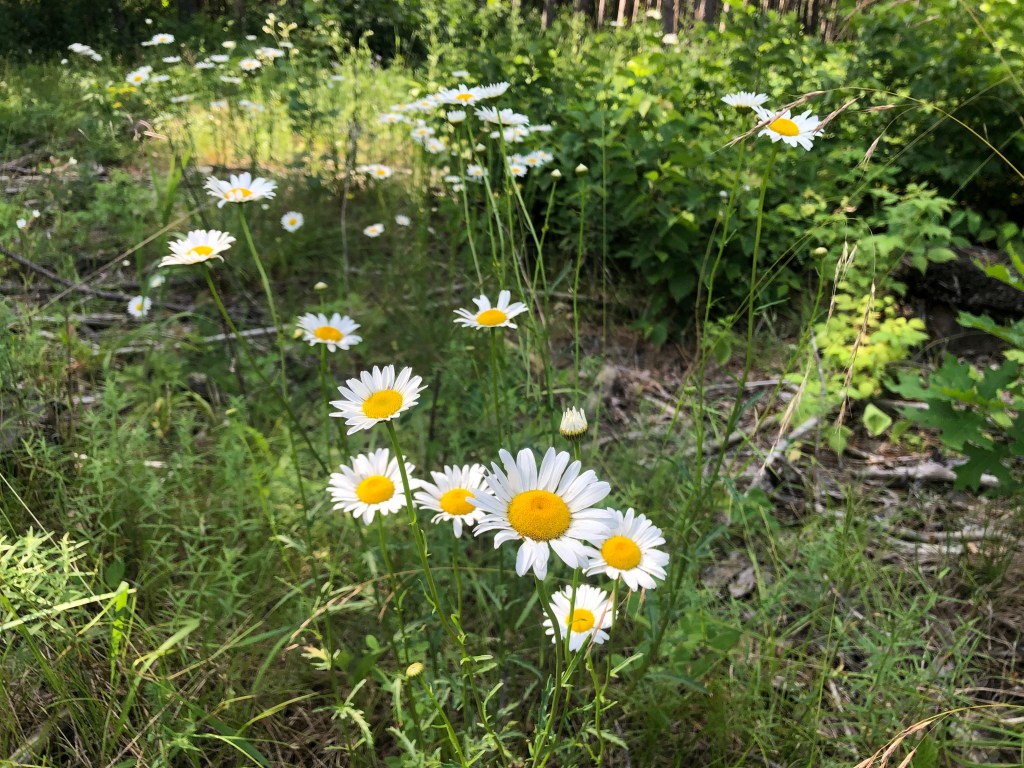

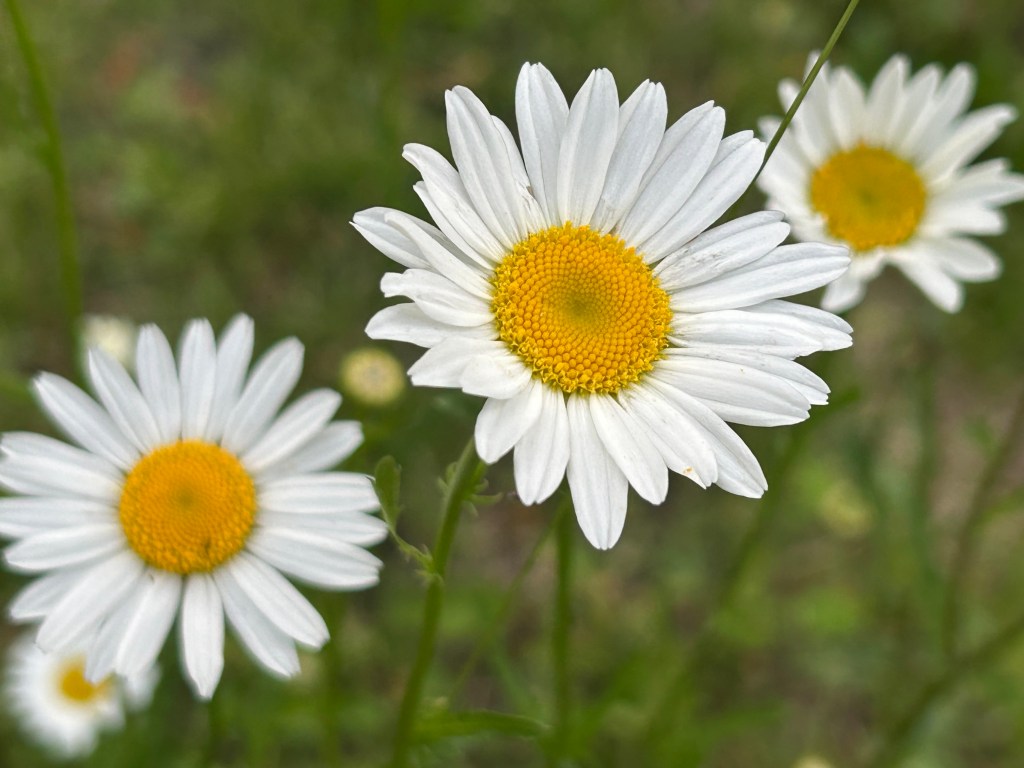
Oxeye Daisy
Leucanthemum vulgare
These daisies are very prevalent in our area; some pastures are taken over by them. Cows generally do not eat these daisies; if they do their milk has an unpleasant taste. While their flowers are attractive, ox-eye daisies are non-native and invasive.
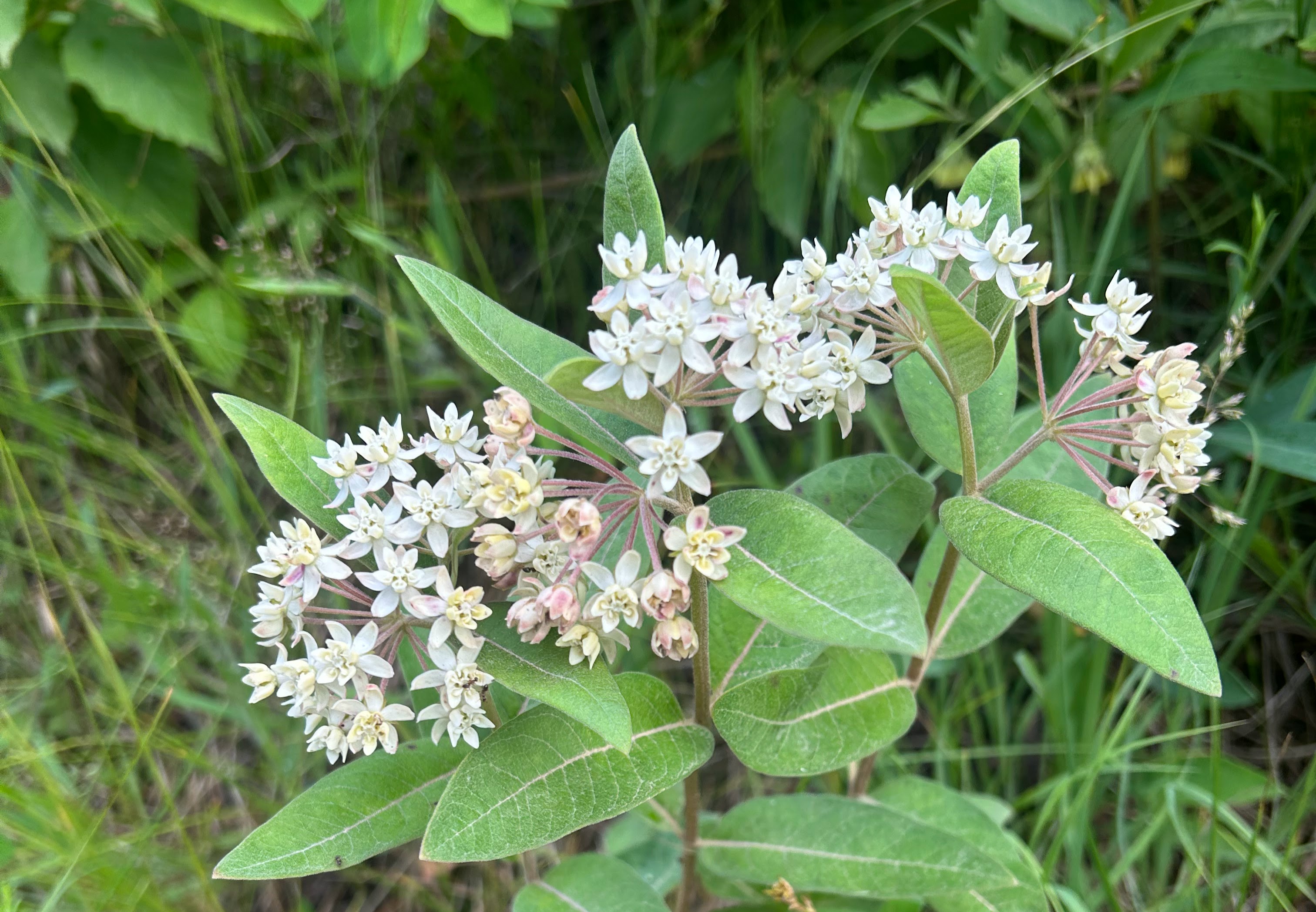
Oval-leaf Milkweed
Asclepias ovalifolia
I believe this plant is the Oval-Leaf variety of milkweed rather than the more prevalent Common Milkweed. The Oval-Leaf species is the northern-most milkweed and is relatively common in Minnesota.
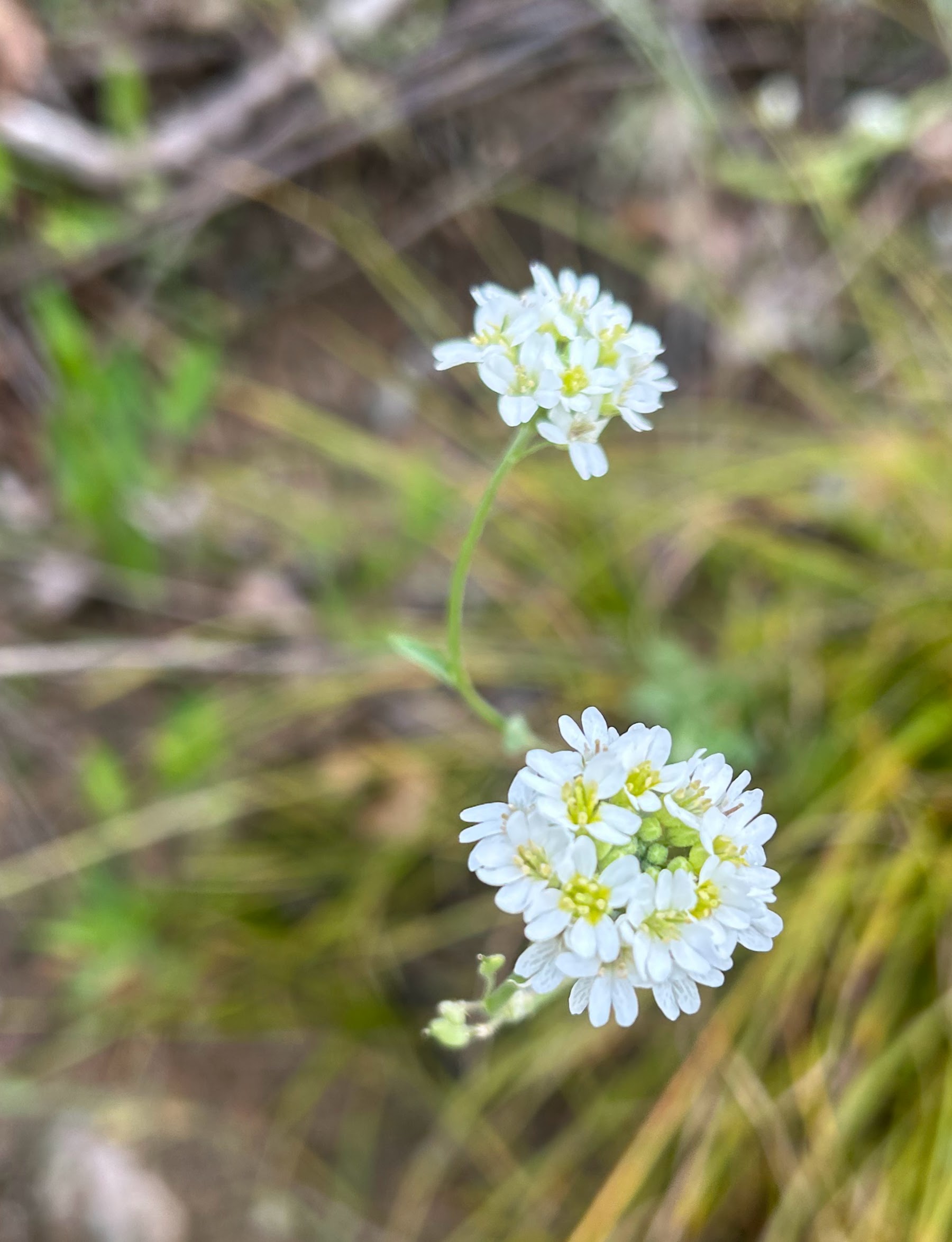
Hoary Alyssum
Berteroa incana
Hoary alyssum flowers are arranged in clusters called raceme. While its raceme of white flowers is attractive up close, hoary alyssum is regarded as an invasive weed. One of its worst characteristics is that it is toxic to horses.


Northern Bedstraw
Galium boreale
The showy small white flowers of Northern Bedstraw bloom on panicles. Panicle is a botanical term for a structure with several branches each with one flower. This plant is edible as a wild salad green. Its most distinctive historic use has been as a stuffing for mattresses, which was desirable because of its delicate fragrance.
 North MN Outdoors
Pretty! Hope you are well!
LikeLike